Breadcrumbs
Zu Gast
Jahrgang 2022

© Daniel Sadrowski
In 2022, Urbane Künste Ruhr invited a total of 15 international artists to live and work in the Ruhr region for the 4th time. The loose, thematic bracket for the residency programme was called "Future".
The cooperation with KunstVereineRuhr, an association of various art associations and artists' residencies that has existed since the start of the programme, was continued. The Haus der Geschichte des Ruhrgebiets in Bochum and the Halfmannshof in Gelsenkirchen also once again opened their doors to two artists each. New additions are the collaborations with the Makroscope - Centre for Art and Technology in Mülheim an der Ruhr and with the Kunstmuseum Bochum.
Artists
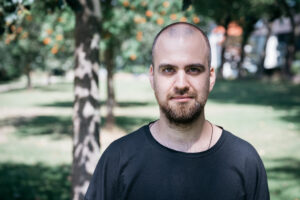
©Daniel Sadrowski
Yuri Yefanov
Yuri Yefanov (*1990) is an artist and filmmaker from Ukraine. His works use computer-generated imagery and game simulations to create digital dimensions of otherworldliness.
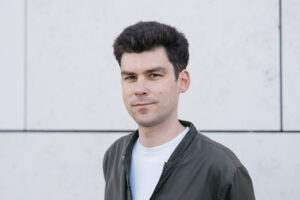
©Daniel Sadrowski
Philipp Modersohn
Philipp Modersohn's sculptures, animated films, and interdisciplinary projects highlight the vibrancy of things / matter and confront these with man-made structures and systems of social organization.
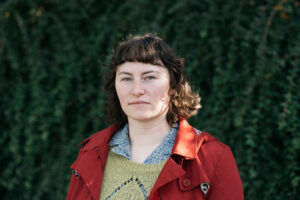
©Daniel Sadrowski
Nollaig Molloy
Nollaig Molloy works with moving image, sculptural installation and sound while sometimes using workshop and event-based outcomes, to explore landscape through material means.
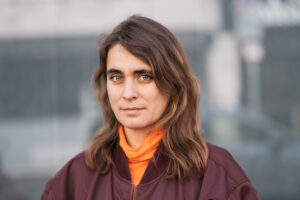
©Daniel Sadrowski
Nadja Abt
In her performances, videos and paintings, Nadja Abt constructs feminist narratives that reference the world of literature and film.
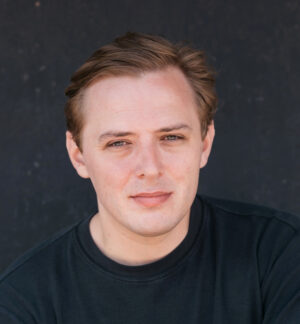
©Daniel Sadrowski
Marc Kokopeli
Marc Kokopeli's work is overly concerned with how identity is formed during childhood.

©Daniel Sadrowski
Magdalena Los
In Magdalena Los’ digitally collaged visual worlds, everyday views collide with private screenshots or references to popular film scenes, works of art and current news from various departments.
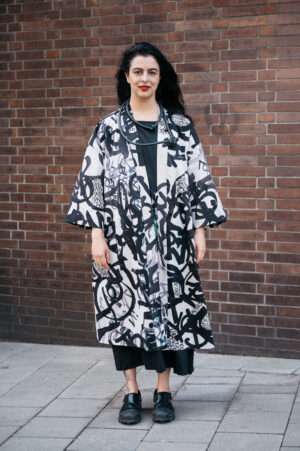
©Daniel Sadrowski
Lubov Malikova
Lubov Malikova is a Ukrainian artist and – together with Max Poberezhsky – runs the collaborative art group and experimental design studio DIS/ORDER.
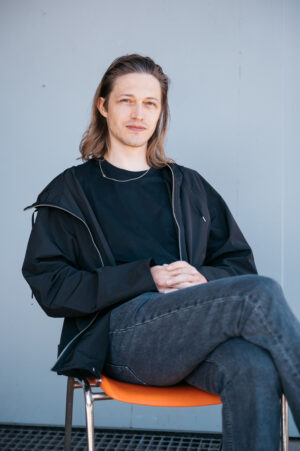
©Daniel Sadrowski
Jan Kiesswetter
In his work, Jan Kiesswetter produces publications and, increasingly, film documentaries. Recurring themes in his work are the representation of architectures and archives and the reading of images.
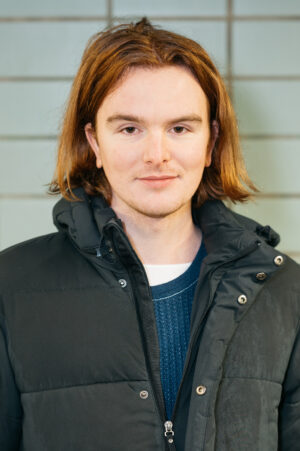
©Daniel Sadrowski
Jan Berger
Jan Berger's practice is primarily occupied with the ludic formation of cultural mythologies and the production of subjectivity in online spaces.
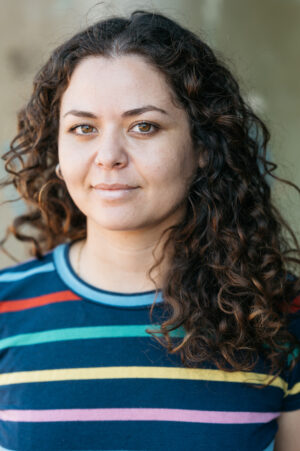
Iris Ward Loughran
Iris Ward Loughran is sculptor, photographer, and urbanist living and working in Brooklyn, NY.
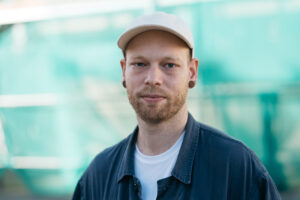
Henrik Nieratschker
Henrik Nieratschker's artistic work deals with the social implications of our lives within a digital infrastructure.
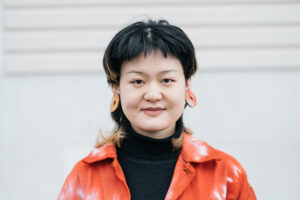
©Daniel Sadrowski
Haha Wang
Haha Wang works mainly in sculpture and installation but also in video. In her works, the intimate feelings of both humans and animals are conveyed and transformed by unexpected objects or events.
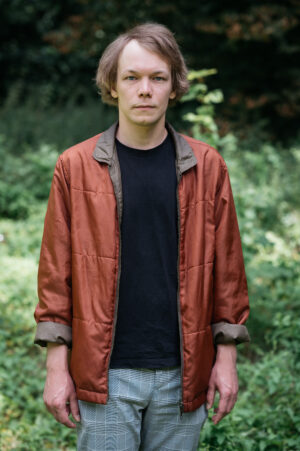
©Daniel Sadrowski
Fabian Hampel
Fabian Hampel deals with contemporary technologies and is interested in linear, reflexive forms as well as abstract borderlands.
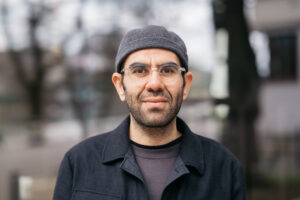
©Daniel Sadrowski
Deniz Aktaş
In his work Deniz Aktaş captures human and environment relations affected by urban decay, environmental collapse, human migration, and the traumatic transformation of city and nature.
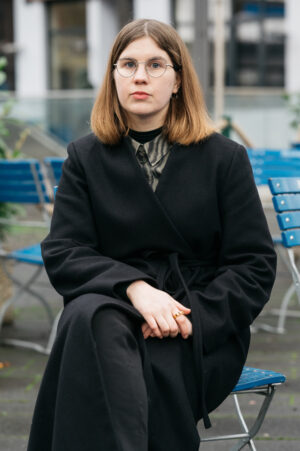
©Daniel Sadrowski
Alina Schmuch
Based on photography and its extension in the medium of film, Alina Schmuch uses artist's books, video and installation to investigate the interaction between the visual medium and reality.