Breadcrumbs
Zu Gast
Jahrgang 2019
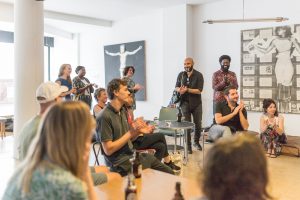
The 2018/2019 residencies focused on artists whose work examines the relationship between identity and territorial ascriptions. Urbane Künste Ruhr investigated these themes in a range of formats in 2019.
The twelve month residencies were awarded to the artists Wasim Ghrioui (Syria) and Mohamed Altoum (Sudan). These residencies are associated with the Silent University Ruhr, a multilingual network of refugee academics supported by Ringlokschuppen Ruhr. Those active here have already been working for years on permitting the expertise of refugees in the region to be heard. The working base for these residencies was in Mülheim an der Ruhr.
The three month grants are linked to the KunstVereineRuhr. The guests were Stacey Gillian Abe (Uganda), Céline Berger (France), Jan Brokof (Germany), Achim Lengerer (Germany), Viola Relle and Raphael Weilguni (Hungary/Germany), Matshelane Xhakaza (South Africa), Paul Wiersbinski (Germany) and Katrin Winkler (Germany).
Artists
©Roland Baege
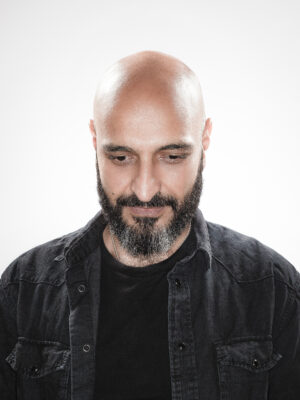
Wasim Ghrioui
During 2018/2019 Wasim Ghrioui is participating in our residency programme “Zu Gast bei Urbane Künste Ruhr”.
©Roland Baege
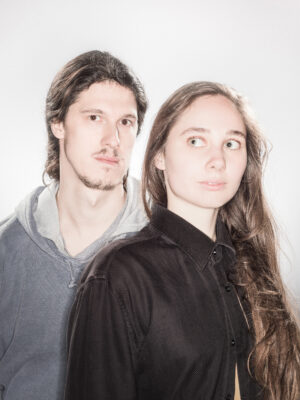
Viola Relle & Raphael Weilguni
Viola Relle and Raphael Weilguni have been working together since 2012. They model simultaneously on large ceramics that become relics of a communication and negotiation process.
©Roland Baege
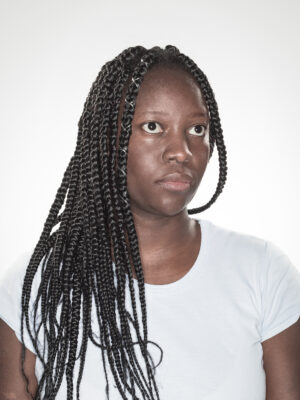
Stacey Gillian Abe
Stacey Gillian Abe’s concepts highlight specific complex situations as autobiographical documentation drawn from earlier and continuous experiences.
©Roland Baege
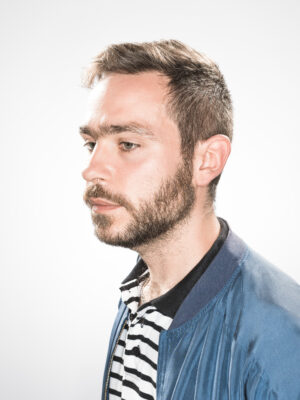
Paul Wiersbinski
Wiersbinskis projects operate at the interface between art, science and technology, touching on architectural discourse, entomology (the study of insects) and cybernetics.
©Roland Baege
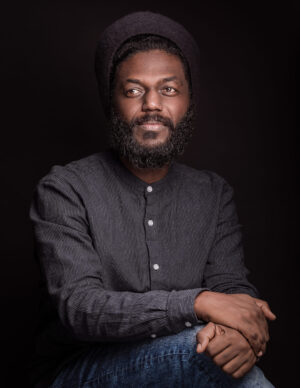
Mohamed Altoum
Mohamed Altoum is a Sudanese visual artist, photographer and cameraman. n his works he combines selected visual impressions with storytelling.
©Roland Baege
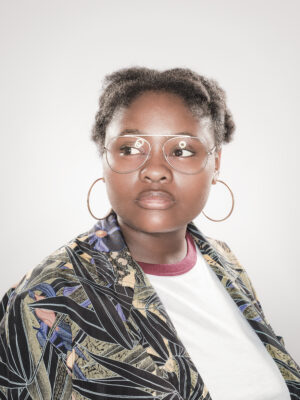
Matshelane Xhakaza
Matshelane Xhakaza is a South African artist. The point of departure for Xhakaza’s work is her immediate environment and the artist’s personal, everyday experiences.
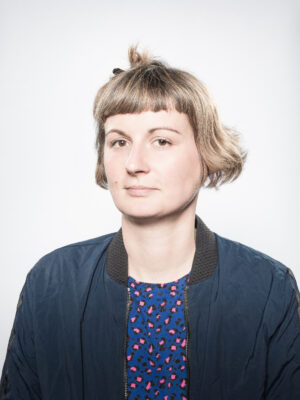
©Roland Baege
Katrin Winkler
Katrin Winkler is an artist and filmmaker based in Berlin. She work in the fields of expanded cinema, critical research, photography and video.
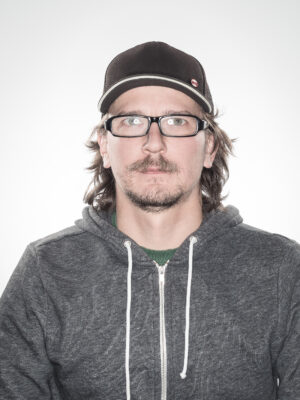
©Roland Baege
Jan Brokof
Jan Brokof was born in former Eastern Germany. In his early work the social environment of his youth with its Plattenbau apartment buildings and the chimneys play a prominent role.
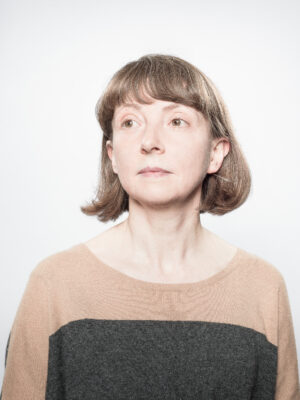
©Roland Baege
Céline Berger
Often involving external participants, managers, coaches, employees, Céline Berger creates objects, videos and installations exploring our professional lives.
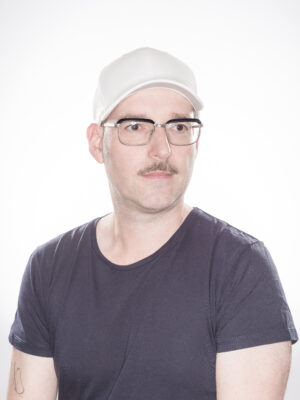
©Roland Baege
Achim Lengerer
Achim Lengerer explores medial language in his practice. He examines images, texts and original soundtracks as vehicles for political power and emancipatory potential.