Breadcrumbs
Zu Gast
Jahrgang 2020
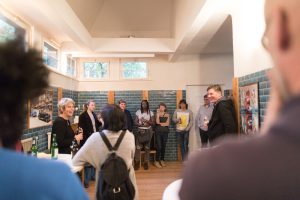
For the 2019/2020 edition, the focus was on artists whose work deals with ‘climate’ in the broadest sense, the thematic bracket of Ruhr Ding 2021.
The twelve-month residencies were awarded to the artist Euridice Kala (France/Mozambique) and the photographer Mohamed Altoum (Sudan). Altoum was already a scholarship holder of Zu Gast bei Urbane Künste Ruhr the previous year. Both residencies were linked to the joint Silent University Ruhr project launched in 2015 by Ringlokschuppen Ruhr in Mülheim a. d. Ruhr and Urbane Künste Ruhr.
The three-month residencies were linked to KunstVereineRuhr. From July to September 2019, Nastassja Simensky from England and the Japanese-German duo Kyoco and Nico Alexander Taniyamaan came to the Ruhr region. From October to December 2019, Ana Alenso from Venezuela and Marianna Christofides from Cyprus were guests. From January to March 2020, Angharad Williams from Wales and Etienne Dietzel from Germany were at home in the Ruhr region. Jackie Karuti and Thomas Taube came to the Ruhr region from April to June 2020.
Artists
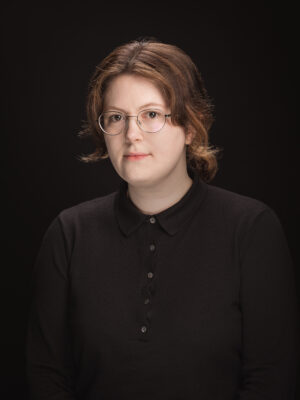
©Angharad Williams Baege
The Wig
For Ruhr Ding: Schlaf, the Welsh artist Angharad Williams as part of the collective The Wig adevelops a work for the Makroscope rooms.
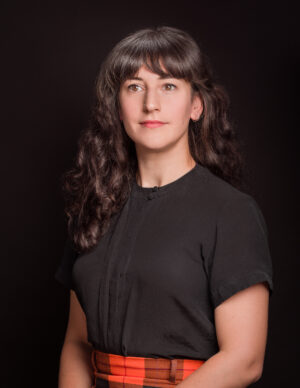
©Roland Baege
Nastassja Simensky
Nastassja Simensky uses moving image, writing, music and performance to develop a material understanding of politics and history.
©Roland Baege
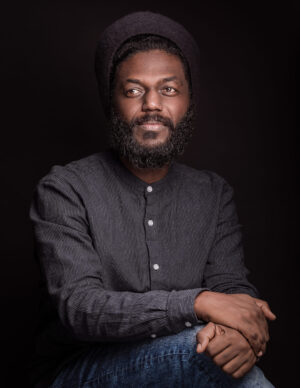
Mohamed Altoum
Mohamed Altoum is a Sudanese visual artist, photographer and cameraman. n his works he combines selected visual impressions with storytelling.
©Roland Baege
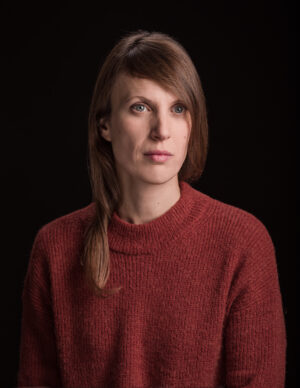
Marianna Christofides
In her practice Marianna Christofides deals with entangled narratives that constitute the different layers of multi-authored places.
©Roland Baege
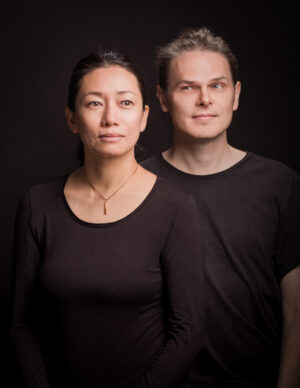
Kyoco Taniyama & Nico Alexander Taniyama
Kyoco+Nico are an artist duo from Tokyo and Berlin. The behaviour as well as the verbal syntax of the two cities tend to be exact opposites.
©Roland Baege
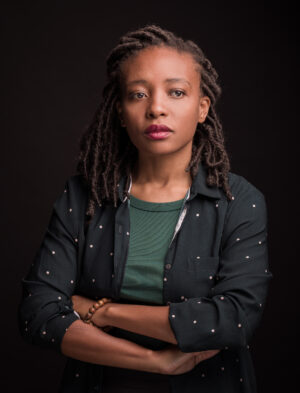
Euridice Kala
Euridice Getulio Kala is an artist based in Paris. She was trained as a photographer at the Market Photo Workshop, Johannesburg.
©Roland Baege
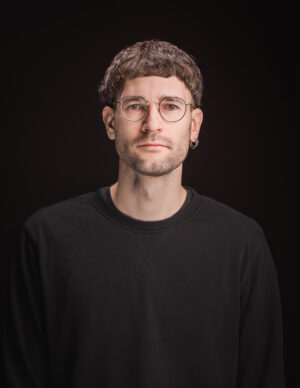
Etienne Dietzel
Etienne Dietzels works, which are frequently developed in cooperation with artists and specialists from various fields, are technical in nature, their appearance relating to their own genesis.
©Roland Baege
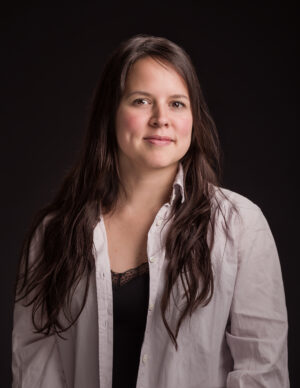
Ana Alenso
Ana Alenso art focuses on the global dependence on resources and the concomitant political, social, and economic exploitation.