Jump to main content (press Enter)Jump to the footer (press Enter)

Breadcrumbs

  1. Home
  2. Zu Gast
  3. Zu Gast

Zu Gast
Jahrgang 2021

© Daniel Sadrowski

For the 2020/2021 edition, the focus will be on artists whose work deals in the broadest sense with 'climate' and 'sleep', the thematic brackets of the Ruhr Ding editions 2021 and 2022.

The residencies, which generally last three or twelve months, are initially awarded independently of specific project proposals and enable artists to familiarise themselves with the region, incorporate this experience into their existing work or develop new ideas from it.

For the first time in 2021, the Haus der Geschichte des Ruhrgebiets in Bochum and the Halfmannshof in Gelsenkirchen have opened their doors to artists who want to use the specific digital or content-related research opportunities for their work on site. Since the start of the programme, there have been collaborations with the KunstVereineRuhr, an association of various art associations and artists' houses in the region, as well as the Ringlokschuppen Ruhr and the Makroscope - Centre for Art and Technology in Mülheim an der Ruhr.

Artists
Open Artsit

©Daniel Sadrowski

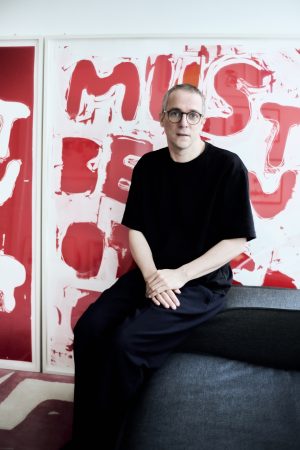
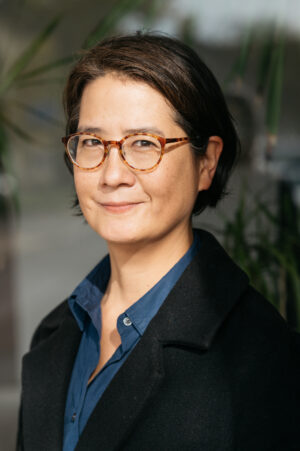
Yuki Jungesblut

Yuki Jungesblut seeks out potentialities and instances of overlap between imagination, fiction and reality, often exploring underdetermined states and liminality in general.
View
Open Artsit

©Roland Baege

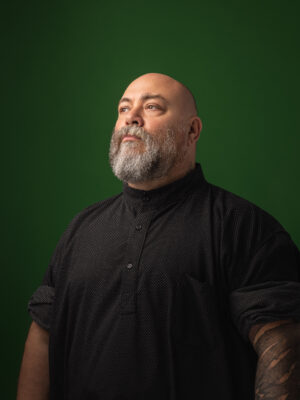
Viron Erol Vert

In his artistic practice, Viron Erol Vert probes – against the background of his own intercultural experiences – identity constructs and different aspects related to the self and the other.

View
Open Artsit

©Roland Baege

Vanessa Nica Mueller

Vanessa Nica Mueller's films and artwork focus on aspects of memory, the relation of human, nature and urban space, the uncanny and the construction of conditions.

View
Open Artsit

©Roland Baege

Thomas Taube

By means of multi-channel installations, associative, reflective and surreal sequences, Taube works against conventional cinematographic codes.
View
Open Artsit

Nicoleta Moise

Nicoleta Moise is a visual artist, writer and researcher with different mediums combining photography, video and performance and focusses on making visible less known stories, characters or events.
View
Open Artsit

©Roland Baege

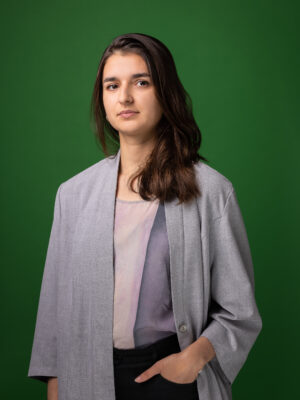
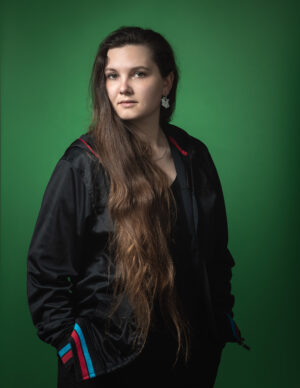
Nadine Rangosch

Natural sciences, visual culture and mythological stories inspire Nadine Rangosch to build her own vocabulary, translating abstract concepts into spatial arrangements.
View
Open Artsit

©Roland Baege

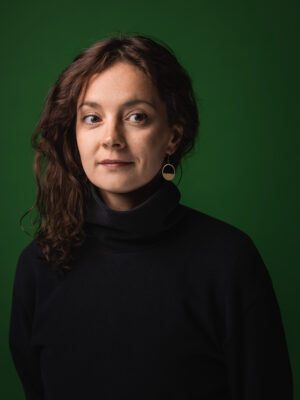
Laura Leppert

Laura Leppert works with film, installation and text. Her installations and cinematic spaces are constructed in fragments and are constantly in motion.
View
Open Artsit

©Roland Baege

Kristina Paustian

Kristina Paustian examines cultural anthropological and socio-political topics. In cinematic images she focusses in particular on the themes of times of upheaval and technical utopias.

View
Open Artsit

©Daniel Sadrowski

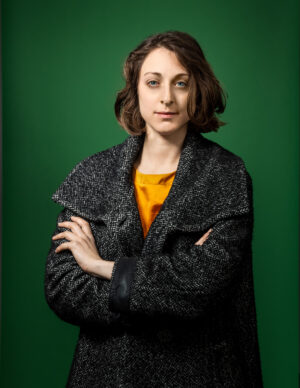
Julia Lübbecke

In her works, Julia Lübbecke deals with the relation between body and institution. She explores this connection to examine dominant structures of order and creates processes to make them fragile.
View
Open Artsit

©Roland Baege

Jessica Arseneau

Jessica Arseneau explores the way human perception and subjectivity is shaped by social codes, patterns of behaviour, accelerating culture and technological progress.
View
Open Artsit

©Daniel Sadrowski 

Guy Königstein

In his recent projects Guy Königstein researches the different ways we live the past in the present, for instance through practices of commemoration, archiving or archaeology.
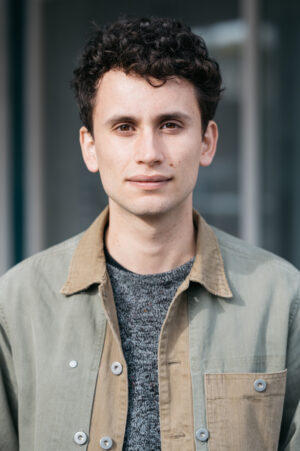
View
Open Artsit

©Daniel Sadrowski

David Reiber Otálora

In his cinematic / sculptural works David Reiber Otálora deals with exoticisms and colonial representations of the so-called other and explores possibilities to affirm them into ambiguous narratives.
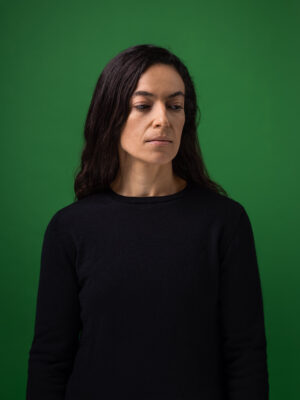
View
Open Artsit

©Roland Baege

Adriana Arroyo

Adriana Arroyo's works reference to geological activity, to reveal possible relationships between the movement of the Earth, politics and the fragility of the body and the mind.
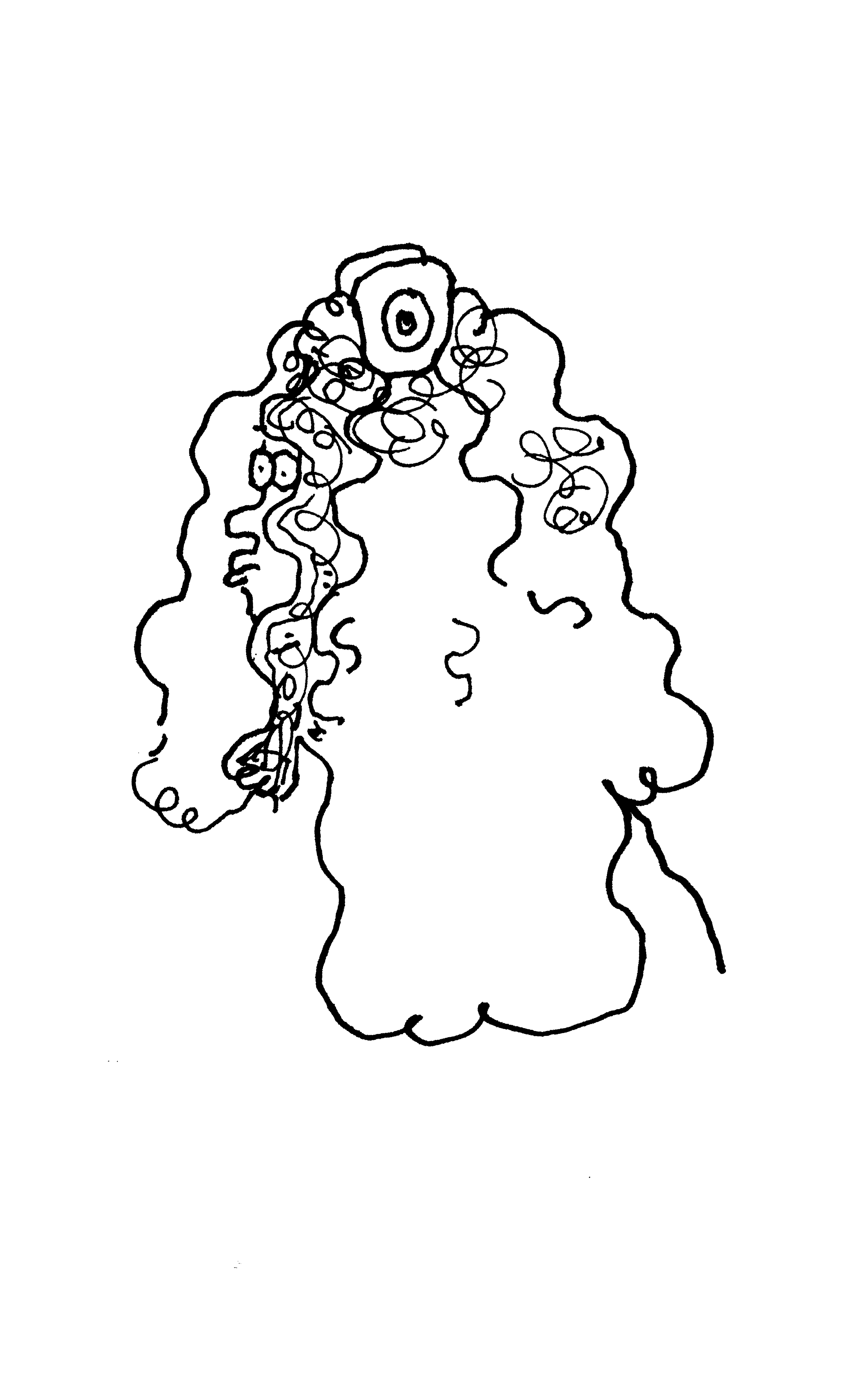
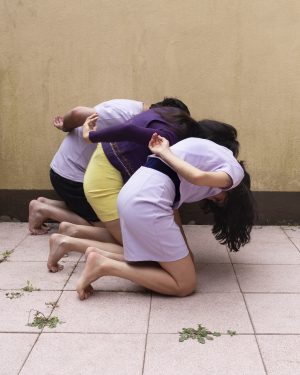
View

Dortmund

Begleitet wird die Grand Snail Tour von Künstler*innen aus dem Bereich Literatur, Fotografie und Illustration, die zeitgleich zum Aufenthalt des Tourmobils, Eindrücke und Reflexionen aus jeweils derselben Stadt sammeln und diese sie visuell oder literarisch ins Bild setzen. So entsteht ein Paratext zur 3-jährigen Tour, der in Form einer Reisechronik, ein Kaleidoskop an Geschichten, Verbindungen, Momentaufnahmen in den 53 Städten der Region als Gleichzeitigkeiten und Ungleichzeitigkeiten zur Grand Snail Tour sichtbar werden lässt.

Dortmund von Stefan Marx

Dortmund von Tunay Önder

Dortmund, hier kenne ich mich aus, höre ich mich sagen. Aber eigentlich kenne ich nur die Nordstadt. Ich finde, damit ist das Wesentliche abgesteckt.  
Es ist spät, als ich ankomme. Mein Weg führt mich direkt in die Münsterstraße zum Malak Grill, ich brauche einen Schwarztee Außerdem gibt es hier köstliche Kibbeh.  

Zuletzt saß ich hier vor fünf Jahren damals mit Imad und Tuğba. Das Favoriten Festival wollte, dass wir Unruhe stiften, also gab es über mehrere Tage ein Happening im Dietrich-Keuning-Haus. Wir nannten es Maşallah Dortmund und riefen die Stadtgesellschaft zur Kanakisierung auf. Es war eine Oase inmitten der Strapazen in Almanya.  

Dortmund hat damals deutliche Spuren in mir hinterlassen. Im Gegenzug haben auch wir unsere Spuren in der Stadt hinterlassen, darunter ein riesengroßer, handgefertigter, runder Holztisch, der mittlerweile als Versammlungsort für die Dortmunder Pentagon-Gespräche dient – eine Wertschätzung der ganz besonderen Art, wie ich finde.  

Bei der Grand Snail Tour in Dortmund werde ich Zeugin, wie die Staffelübergabe eine besondere Wendung annimmt. Zum Großaufgebot der Urbanen Künste Ruhr auf dem Nordmarkt gehört auch ein Pentagon-Gespräch zum Thema Gastarbeiter*innen-Denkmal, das die Stadt gerade auf den Weg bringt – und mit dabei der sagenumwobene Tisch, der genau dort gelandet ist, wo er hingehört: unter die Menschen, in den öffentlichen Raum.  

Am Nordmarkt treffe ich auf bekannte und unbekannte Menschen, die mir allesamt familiär vorkommen, weiß nicht warum vielleicht weil wir ähnliche Erfahrungswelten, Lebenslagen und Struggles teilen. Sprachen überlagern sich, die ich nur zum Teil verstehe. Das tut gut. Hier kann ich entspannen, muss nicht alles verstehen und kann einfach sein.  

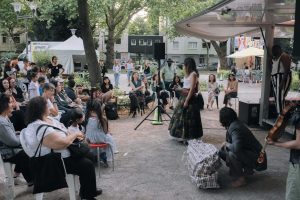
Für einige Tage überlagern sich mehrere magische Dreiecke an diesem Ort. Der Bühnenanhänger, die mobile Infobox, der Kiosk of Solidarity – und dazwischen fliegende Pralinenschachteln, Teezeremonien, KI-gesteuerte Skulpturen, Chorgesänge, DJ-Sets, Lesungen, Debatten, Tänze und Talks – und irgendwann formiert sich die Versammlung zu einer Art Hochzeitsgesellschaft. Ein Bild brennt sich besonders in mein Gehirn: Unzählige Kinder aus der Mahalle auf weißen Gartenstühlen applaudieren, tosen, lachen, schreien und beteiligen sich ungefragt an allen Performances. Eine Kollegin fragt mich, ob es eigentlich etwas Vergleichbares in München gibt.  

Manchmal muss man die Stadt, in der man lebt verlassen, um anzukommen. So geht es mir, wenn ich ins Ruhrgebiet fahre. Weg von zu Hause und viel eher daheim. Und immer wieder die Frage, wie die Nordstadt es schafft, trotz aller Repressionen eine pulsierende, postmigrantische Lebensrealität zu etablieren. Keine Kohle, aber Leben auf den Straßen. Ein paar Schritte weiter, um die Stadt, in der man lebt Plakate an mehreren Hofeingängen. „Kein Vergessen, kein Vergeben, Mouhamed Lamine Dramé“ / „Von der Polizei ermordet. Am 8.8.2022“ / „Wie viele noch?“  

Es war sicher auch kein Zufall, dass der Nationalsozialistische Untergrund genau hier wütete und Mehmet Kubaşık in seinem Kiosk in der Mallinckrodtstraße ermordete. Es tröstet mich zu sehen, dass der Mehmet-Kubaşık-Platz ein lebendiger Ort geworden ist, an dem Menschen gerne abhängen und Sonnenblumenkerne essen. Es weht ein widerspenstiger Wind an diesem Platz. 

Dortmund von Cihan Çakmak

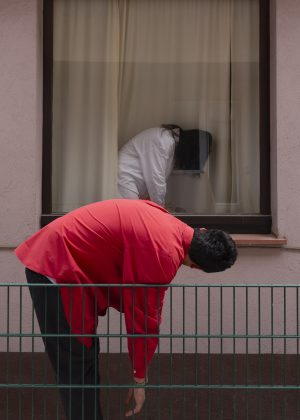
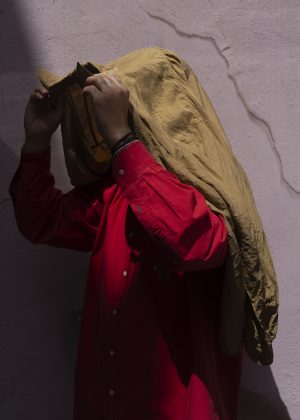
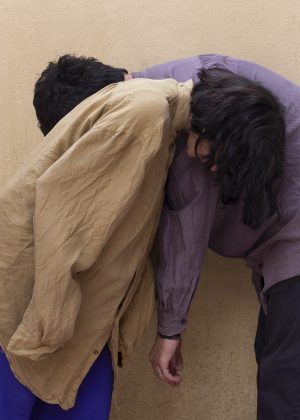
Die in Dortmund entstandenen Fotografien vereinen Menschen, im Selbstportrait, die entweder selbst oder in transgenerationaler Folge Krieg, Vertreibung und Identitäts-Blockaden erlitten haben. Die Posen der Protagonisten vereinen Trauer und Widerstand.

Stops

Open "Dortmund"
3.7.25, 15:30 – 5.7.25, 22 h

Appreciating in Dortmund

Dortmund

Artists

Open Artsit

Stefan Marx

Stefan Marx is an artist and illustrator. He develops designs for various companies, creates the artwork for record covers and fanzines, but has also developed a design for the Königliche Porzellanmanufaktur. 

View
Open Artsit
xxx

©Anton Kaun

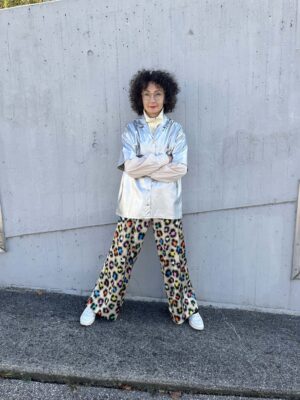
Tunay Önder

Tunay Önder works at the interface of text, performance, installation and discourse. She is particularly interested in emancipatory struggles in the context of the migration society. 

View
Open Artsit

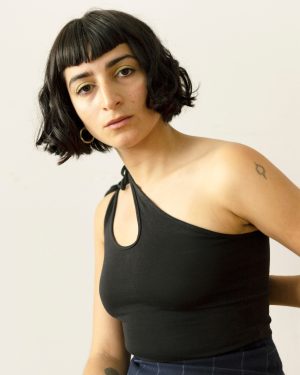
Cihan Çakmak

Cihan Çakmak was born in Lower Saxony in 1993 and grew up in Worpswede and Bremen. After studying photography at the Dortmund University of Applied Sciences and Arts, with an interim study visit to Lisbon, she enrolled at the Leipzig Academy of Visual Arts in 2017. 

View