Breadcrumbs
Artists
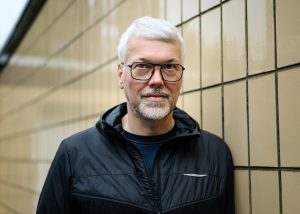
© Guido Rottmann
Daniel Sadrowski
Daniel Sadrowski initially studied social sciences with the aim of becoming a journalist. His passion for photography led him to study photo design in Dortmund, where he earned his diploma in 2003.
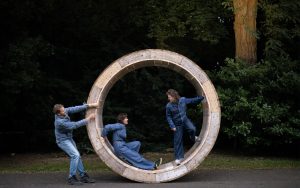
Studio Onderstroom
The collective of Annabel Schouten, Jurriaan de Vos and Gemma Luz Bosch uses music, physical theatre, installation art and community art to offer physical experiences.
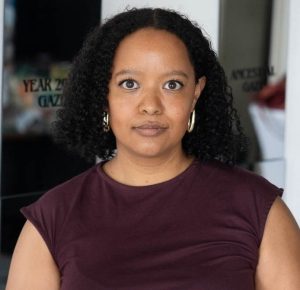
Safiya Yon
Safiya Yon ist Textilkünstlerin, systemische Beraterin mit Fokus Mental Health für Communities des globalen Südens, sowie systemische Supervisorin in Qualifizierung.
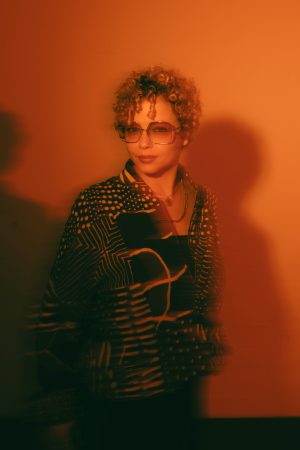
C:mone aka Tuincy Bright
Since 2007, C:mone aka Tuincy Bright, has been enriching the Cologne music scene with her versatile DJ sets. With her roots in early hip-hop culture, her vinyl selection ranges from jazz, funk, soul and disco through to rap, R&B, house, Afrobeat and experimental sounds.
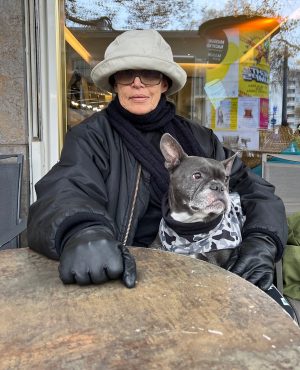
© Simone Junker
Cosima von Bonin
Cosima von Bonin is one of the most influential artists of her generation. She participated in documenta 12 in 2007 and the Venice Biennale in 2022.
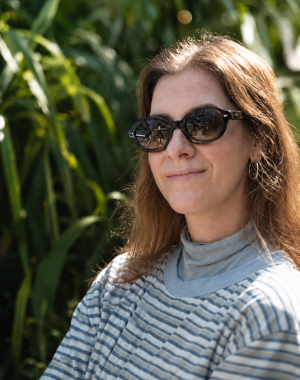
© Anael Berkovitz
Anael Berkovitz
Anael Berkovitz is an interdisciplinary artist, living and working between Brooklyn and Tel-Aviv. Berkoviz’s work draws on photography, film, installation and narration as means of examining the creation and perception of identity.
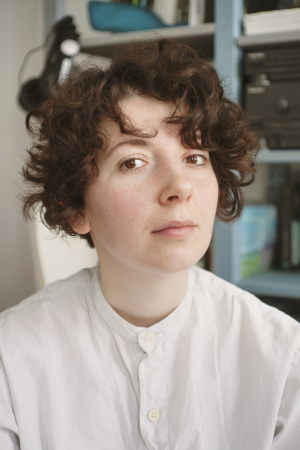
© Jeanna Kolesova
Jeanna Kolesova
Jeanna Kolesova is a Berlin-based artist, filmmaker, and researcher. Their practice traces how narratives emerge and circulate over time, examining their inscription into memories, infrastructures, and landscapes. Through speculative documentary, Kolesova reveals the cyclical relationship between narratives and histories of control, exploring how these cycles might be disrupted.
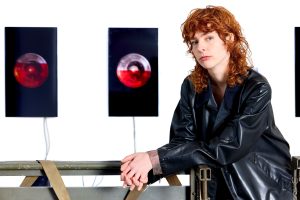
© Jan Hottmann
Julia Schäfer
Julia Schäfer is a Paris-based artist whose video works and site-specific installations explore narratives of loss by blurring documentary and fiction. Emerging from investigations into her family’s butchery, her work reflects on meat production as a metaphor for the dialectics of pleasure and pain, violence and sustenance.
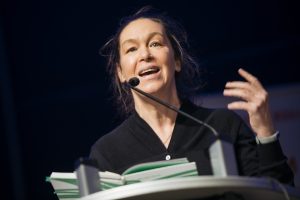
Monika Rinck
Monika Rinck lives in Berlin and Cologne. She has been publishing poems, essays, and translations with various publishers since 1998. Her most recent publication is the poetry collection HÖLLENFAHRT & ENTENSTAAT.
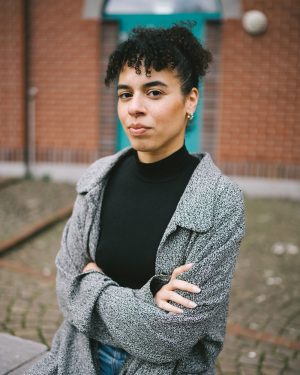
© Jerome Hoffmeister
Julienne De Muirier
Julienne De Muirier is a writer of fiction and plays. Her stage texts have been produced by institutions including the Residenztheater Munich, the Hessisches Landestheater Marburg, and the Nationaltheater Weimar.
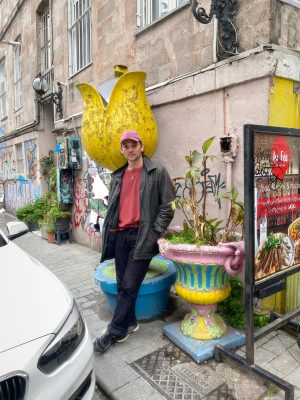
© Neven Allgeier
Neven Allgeier
Photographer Neven Allgeier (born 1986, Wiesbaden) lives and works between Frankfurt am Main and Vienna. In recent years, he has published three books with Distanz Verlag.
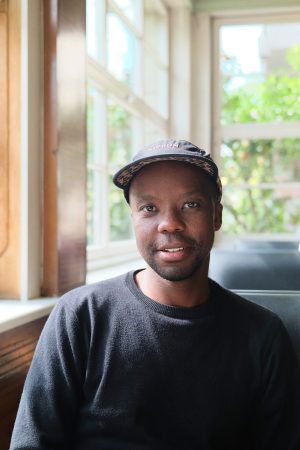
© Rico Thumser
Masixole Ncevu
Masixole Ncevu is an artist and practitioner of sensory ethnography; his work encompasses in-depth theoretical and conceptual research.
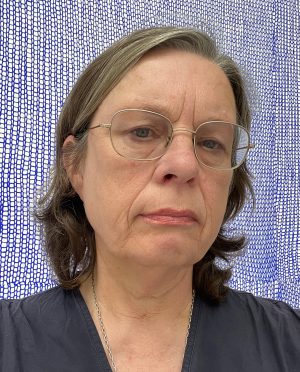
© Heidi Specker
Heidi Specker
Heidi Specker is an artist based in Berlin. Her photographic, conceptual practice explores various photographic genres, using them to examine the medium of photography itself.
Jana Kerima Stolzer and Lex Rütten
Kerima & normalmap., aka Jana Kerima Stolzer and Lex Rütten, are a DJ and live performance duo whose music defies genre classification.
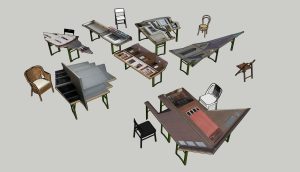
Nils Norman
Nils Norman is an artist living in Amsterdam and Munich. He works across the disciplines of public art, architecture and urban planning.
© Yao Tsy
Yevgenia Belorusets
Yevgenia Belorusets' work operates at the intersection of literature, visual art, and activism, often drawing attention to the more vulnerable segments of Ukrainian society.
© Josefine Kaiser
Boris Sieverts
Since 1997, the artist Boris Sieverts has been running the ‘Büro für Städtereisen’ (Office for City Trips) from Cologne, through which he explores everyday living spaces as travel destinations.
Joram Schön
Joram Schön lives and works as a freelance artist and filmmaker in Berlin and Cologne. He studied fine art at Berlin University of the Arts and completed his master's degree in art and film at the Academy of Media Arts Cologne.
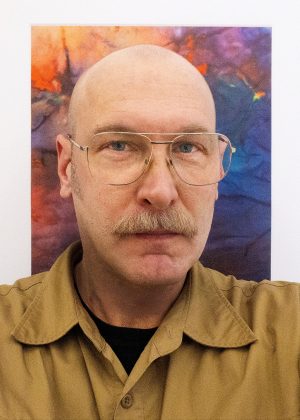
© Harald Popp
Harald Popp
Harald Popp studied photography at the Hamburg University of Applied Sciences under Prof. Ute Mahler. After several years as an applied photographer, he focused on his artistic practice.
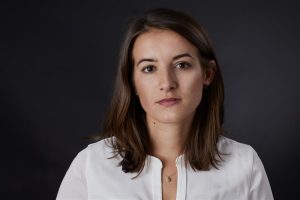
© Stephan Ernst
Lucia Birzer
Lucia Birzer has been engaged as choir director and conductor at the Regensburg Theatre since the 2024/25 season. Prior to this, she worked as choir director with conducting duties at the Hof Theatre from 2022 to 2024.
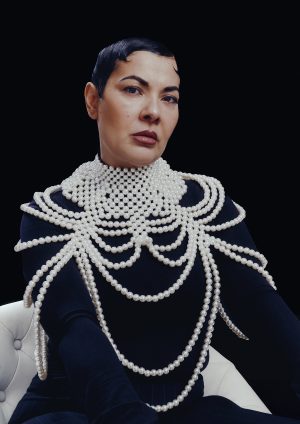
© Louis Headlam
Dr. Reyhan Şahin aka Lady Bitch Ray
Dr Reyhan Şahin, also known to many as Lady Bitch Ray, is a scholar, author, performance artist, activist, rapper, fashion designer, journalist, speaker and educational consultant.
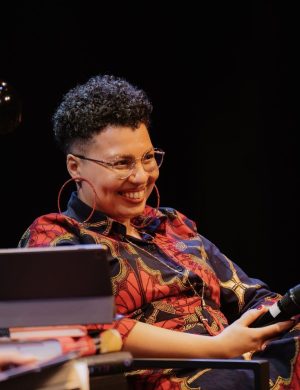
Dr Anne Potjans
Dr Anne Potjans is a postdoctoral researcher in the ERC Consolidator Grant-funded research project “Tales of the Diasporic Ordinary. Aesthetics, Affects, Archives” at Humboldt University in Berlin.
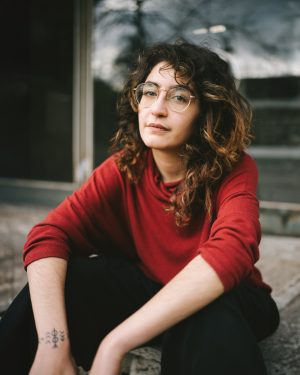
Miedya Mahmod
Since 2016, Miedya Mahmod has been involved in poetry, leading writing workshops, and designing and moderating discussion and reading formats
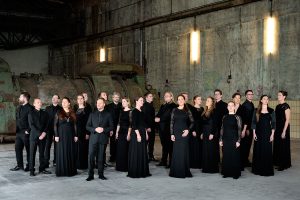
© Christian Palm
Chorwerk Ruhr
Chorwerk Ruhr is one of the most important chamber choirs in Germany.
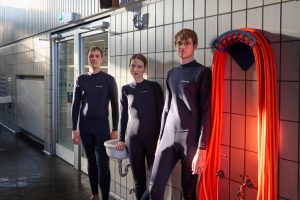
© Philip Kistner
Trio Wellenbad
Trio Wellenbad invents interdisciplinary music formats for public spaces.
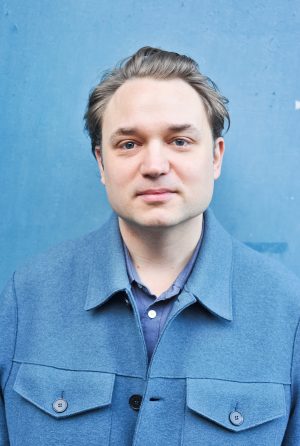
© Jenny Schäfer
Tilman Walther
Tilman Walther lives and works in Hamburg as an artist, author, and curator.
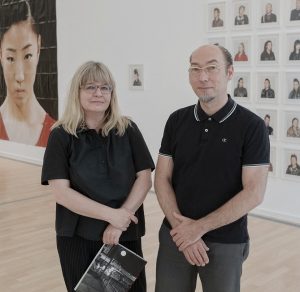
© Rolf K Wegst
Katja Stuke and Oliver Sieber
Katja Stuke and Oliver Sieber combine photography, publishing, video and curatorial practice in their work.
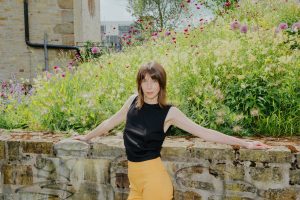
© Victoria Jung
Inga Krüger
Inga Krüger, (born 1988 in Iserlohn), loves the moment when something has started but nothing has happened yet. In her performances, she analytically and humorously stages language as a fabric of reality.
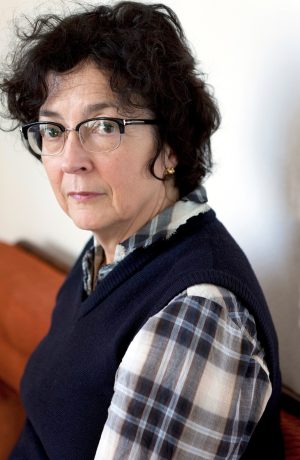
© Lisa Rastl
Anna Viebrock
Anna Viebrock studied stage design at the Düsseldorf Art Academy. Her collaboration with Christoph Marthaler took her to numerous theatres and opera houses.
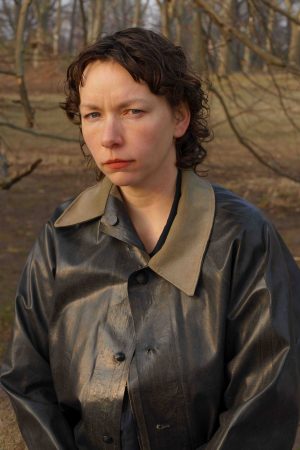
© Harriet Meyer
Josefine Soppa
Josefine Soppa is a freelance author living in Berlin. She has received several awards for her writing, including at open mike, from the Jürgen Ponto Foundation and the NRW Literature Prize.
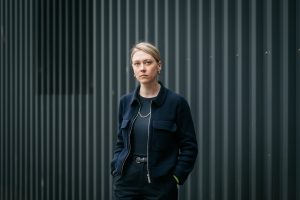
Alisha Raissa Danscher
Alisha Raissa Danscher (*1989 in Herdecke, Germany) is a curator at Urbane Künste Ruhr. She completed her studies in cultural studies (M.A.) at Humboldt University in Berlin – with a stay in Zurich – and previously studied German literature, film studies (B.A.) and psychology in Berlin and Cologne. She has worked at institutions such as the KW Institute for Contemporary Art and for the 9th Berlin Biennale, and has been with Urbane Künste Ruhr since 2020.
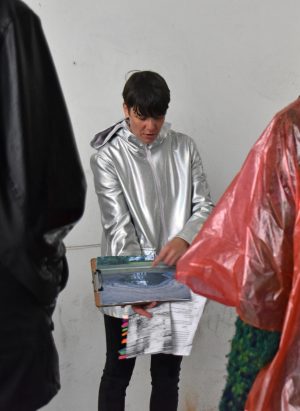
Mirja Busch
Mirja Busch is an interdisciplinary artist from Berlin. She studied fine arts at the Braunschweig University of Art and at the Universidad de Chile in Chile. The examination of (urban) landscape as a social and artistic construct plays a central role in her work.
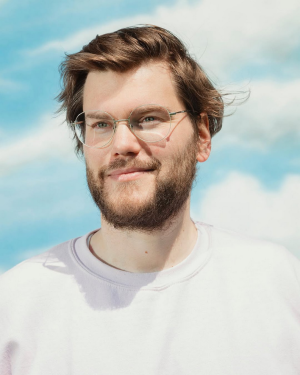
© Alexandra Polina
Heinrich Holtgreve
Born in Bochum in 1987, he lives between Hamburg and Berlin. In 2013, Heinrich Holtgreve completed his studies in photography at Bielefeld University of Applied Sciences. He has been a member of the Ostkreuz agency since 2016.
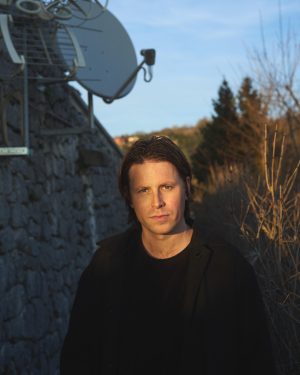
© Nikolas Geier
Paul Spengemann
Paul Spengemann (*1987) studied fine art and film at the University of Fine Arts Hamburg and Goldsmiths University of London.
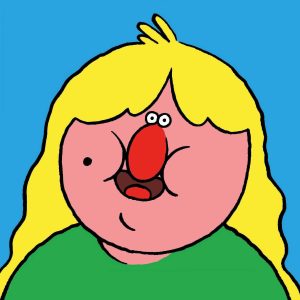
Nadine Redlich
Nadine Redlich lives and works as a cartoonist in Düsseldorf. The publication of her style-defining “Ambient Comics” by Rotopol was followed by many more books.
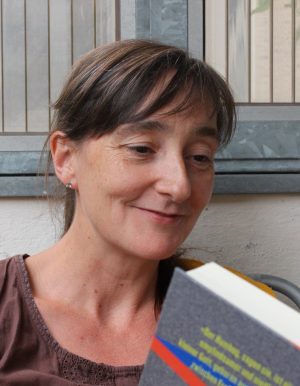
Eva Ruth Wemme
Eva Ruth Wemme, born in Paderborn in 1973, studied in Cologne, Berlin, and Bucharest. She has worked as a prison interpreter and dramaturge at the Schauspielhaus Chemnitz theater, among other things, and is active as a Gestalt therapist, author, and translator.
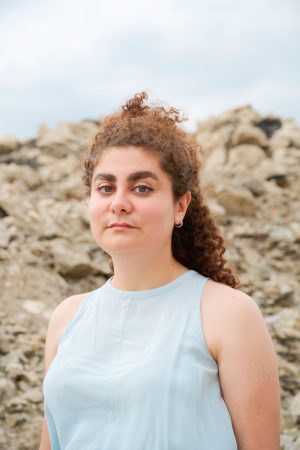
Esra Canpalat
Esra Canpalat is an author and literary scholar from the Ruhr region. She studied general and comparative literature and art history at the Ruhr University Bochum.
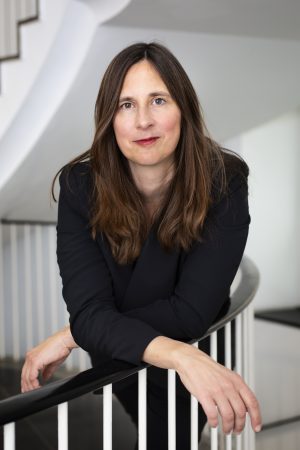
Kathrin Röggla
Kathrin Röggla (born in Salzburg in 1971) lives in Cologne and works as a writer of prose and plays. Her most recent publications are her essay collection Nichts sagen. Nichts hören. Nichts sehen. (S. Fischer, 2025), her novel Laufendes Verfahren (S. Fischer, 2023), and her play Kein Plan (Kafkas Handy), which premiered this February.
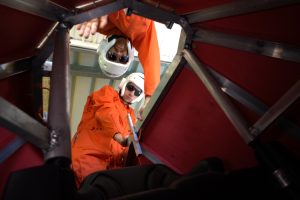
Sonder.Solutions
Sonder.Solutions is an amoebic undertaking operating at the intersection of art and architecture. Founded in 2009 by Peter Behrbohm and Anton Steenbock, Sonder has specialized in conflict refinement, the implementation of errors and orders, and the search for new collective futures.
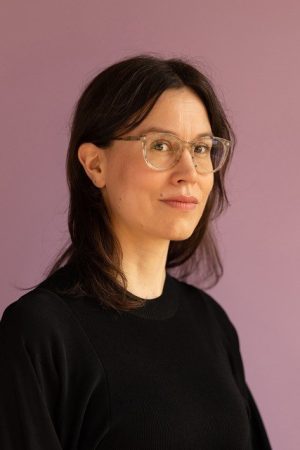
Marijpol
Marijpol (*1982) is an illustrator. Her practice combines comics, illustration and design. She studied visual communication and illustration in Hamburg.
© Stiftung Sitterwerk
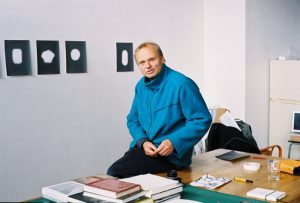
Jochen Lempert
Jochen Lempert (*1958) studied biology. Between 1979 and 1989, he was a member of the experimental film group Schmelzdahin, which explored the combination of chemical processes and celluloid film.
© Matthias Guenter
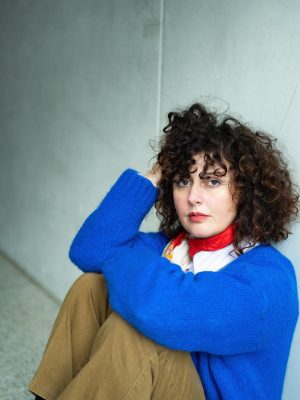
Meral Kureyshi
Meral Kureyshi (*1983 in Prizren) is a Swiss writer. The weekly newspaper Die Zeit described her as ‘one of the most important voices in contemporary Swiss literature.’
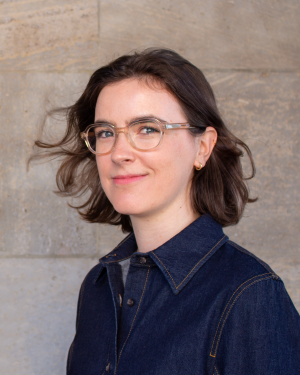
Antonia Kölbl
Antonia Kölbl is the editor-in-chief of TEXTE ZUR KUNST. She studied art history and American studies in Berlin, Annandale-on-Hudson, and Montreal.
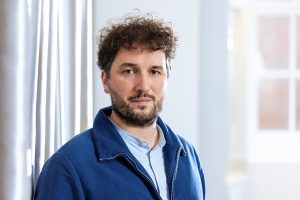
Gabriel Schimmeroth
Gabriel Schimmeroth is a curator, historian, and Head of Public Program at the Museum am Rothenbaum – Kulturen und Künste der Welt (MARKK) in Hamburg, Germany.
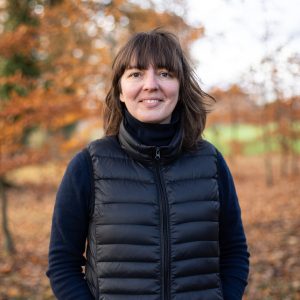
© Camilo Pachón
Franziska Klose
Franziska Klose (* 1977) is an artist and photographer. She has been working on post-industrial landscapes and contemporary nature since 2010.
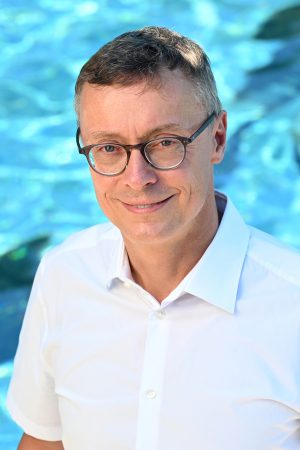
© Elke A. Jung-Wolff
Dr. Matthias Oloew
Dr. Matthias Oloew, *1968, is a cultural historian and author. He wrote for the Berlin newspaper “Tagesspiegel” for 15 years and was subsequently Head of Corporate Communications at “Berliner Bäder-Betriebe” for 15 years.
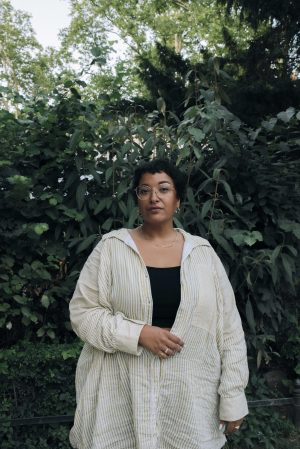
© Amina Falah
Rebecca Racine Ramershoven
Rebecca Racine Ramershoven lives and works in Cologne and Thessaloniki. She completed both her Bachelor's and Master's degree at the Folkwang University of the Arts and graduated in 2024.
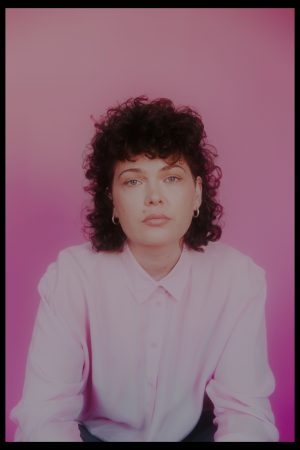
© Hanna Fasching
Alexandra Stanić
Alexandra Stanić is a journalist, photographer and content creator from Vienna.
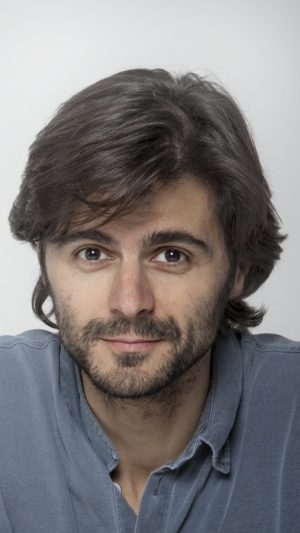
© Mirco Taliercio
Juan Moreno
Juan Moreno (*1972 in Huércal-Overa) is a Spanish journalist and writer who grew up in Germany.
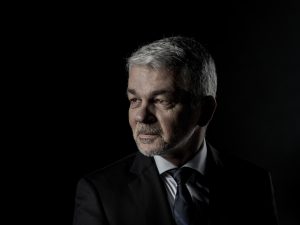
© Christoph Busse
Carlo Antonio Masala
Prof Dr Masala studied political science, German and Romance philology from 1988 to 1992. He received his doctorate in 1996 and his habilitation in 2002.
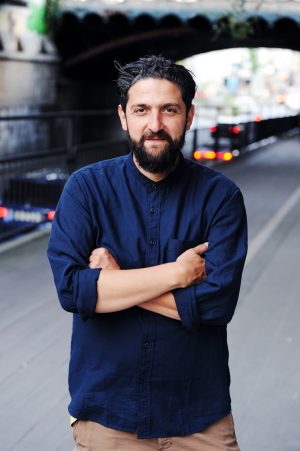
© Jennifer Fey
Aladin El-Mafaalani
Aladin El-Mafaalani is a sociologist and professor of migration and educational sociology at TU Dortmund University and a member of the SFB 1604 ‘Production of Migration’ at IMIS at the University of Osnabrück.
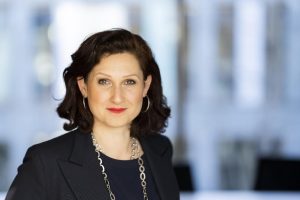
© Steffen Kugler / Bundespresseamt
Ferda Ataman
Ferda Ataman (she/her) is the Independent Federal Commissioner for Anti-Discrimination and Head of the Federal Anti-Discrimination Agency, a political scientist.
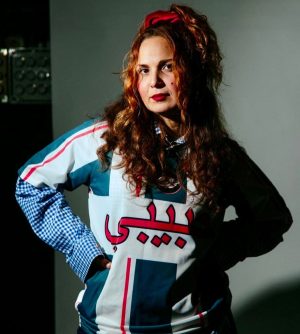
Özlem Avcı
Özlem Avcı is a teacher, artist and DJ. In her sets, she combines traditional folk music, diaspora pop, Anatolian rock and belly dance music.
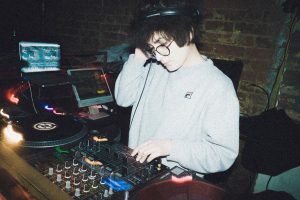
Tutku Kaplan
Tutku brings her energetic and eclectic sounds to Dortmund! Her influences range from hip-hop and RnB to Arabesk, Jersey Club and Baile Funk.
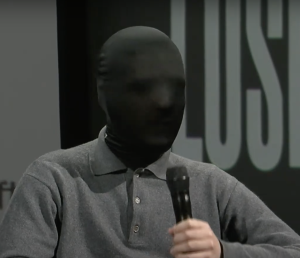
Cem A.
Cem A. is an artist with a background in anthropology. He is known for running the art meme page @freeze_magazine and for his site-specific installations.
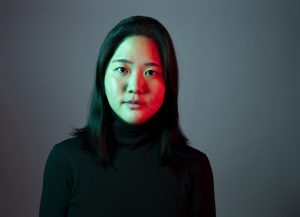
Iden Sungyoung Kim
Iden Sungyoung Kim is an artistic researcher who observes, investigates, documents and reconstructs the political ironies of deeply entrenched, invisible regimes.
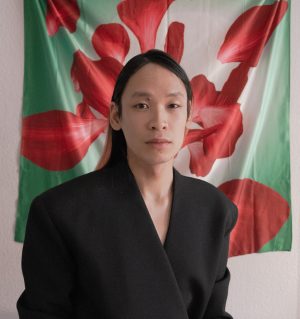
Minh Đức Phạm
Minh Đức Phạm is an artist and performer. He studied exhibition design at the HfG Karlsruhe and performance studies and design theory at the UdK Berlin.
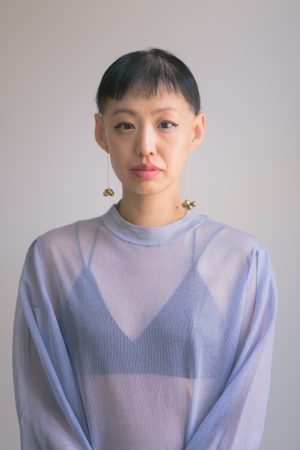
Yon Natalie Mik
Yon Natalie Mik is a multidisciplinary artist and performance artist who works at the intersection of dance, poetry, sound and installation.

Kemal Dinç
Kemal Dinç, originally from Turkey, moved to Germany with his family in 1980. He began playing the bağlama at the age of twelve and later learnt the classical guitar.
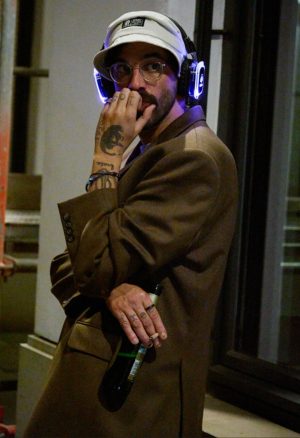
Nail Doğan
Nail Doğan, born in Augsburg in 1988 as the son of a guest taxi driver and a guest cleaner. Lives in Hamburg. Chews fingernails. Keeps his head above water. Writes.
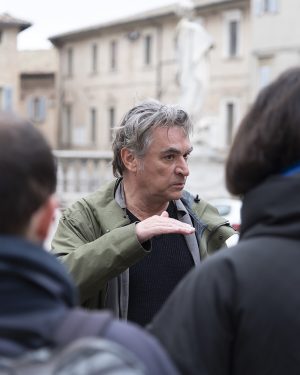
Jordi Colomer
Jordi Colomer's (*Barcelona 1962) practice spans film, photography, sculpture and installation, often involving collective participation.
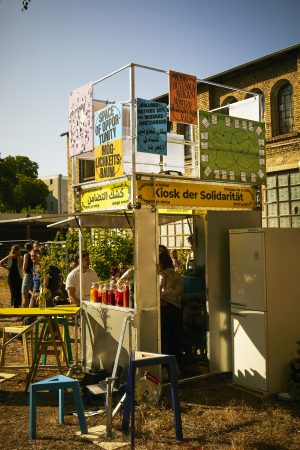
Kiosk of Solidarity
The Kiosk of Solidarity is a mobile meeting point in public space. It goes where exchange, participation, and lived solidarity are needed – in squares, neighbourhoods, or places of social tension.
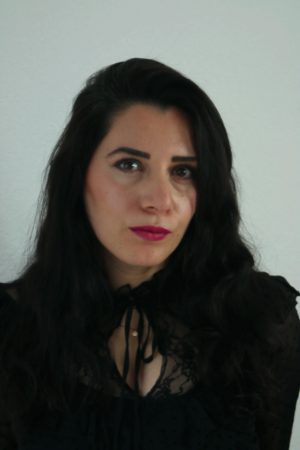
Havîn Al-Sîndy
Havîn Al-Sîndy works in Kurdistan and Germany. Her artistic practice moves between performance, sculpture, painting, and moving images.
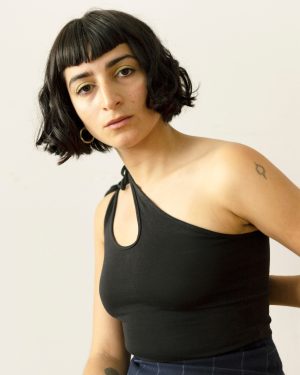
Cihan Çakmak
Cihan Çakmak was born in Lower Saxony in 1993 and grew up in Worpswede and Bremen. After studying photography at the Dortmund University of Applied Sciences and Arts, with an interim study visit to Lisbon, she enrolled at the Leipzig Academy of Visual Arts in 2017.
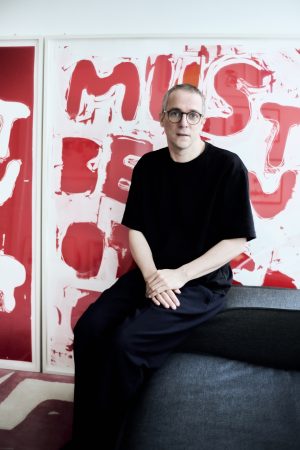
Stefan Marx
Stefan Marx is an artist and illustrator. He develops designs for various companies, creates the artwork for record covers and fanzines, but has also developed a design for the Königliche Porzellanmanufaktur.

Enrico Bordieri, Marina Erler and Ana Me Zentgraf
Ana Me Zentgraf (* in Thueringen) is a Vietnamese-German artist, Marina Erler is an independent theatre maker, theatre educator and director from Leipzig and Enrico Bordieri studied Romance studies and philosophy in Rome, Edinburgh and Berlin, as well as dramaturgy at the HMT Leipzig.

Jingyun Li
Jingyun Li (born 1995 in Xi’an) is a freelance theater artist and producer. Living and working across languages, have strongly shaped their approach to art making and performance.

Ziran Sha Pei
Ziran Sha Pei deals artistically with ableism, queer feminism, racism and right-wing extremism in Western, Muslim and East Asian culture.
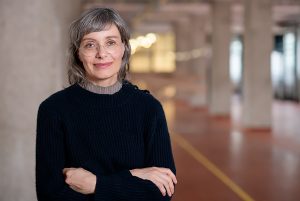
Katrin Mayer
Katrin Mayer is an artist based in Berlin and Düsseldorf. She works individually and collaboratively with a focus on site-specificity, gender, polyphony, textile and textual structures and topological notions of thought and space.
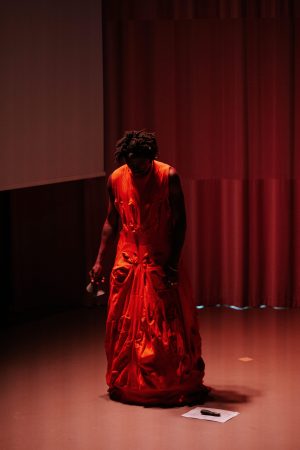
sakasaka
The artists Adjoa Armah and Sel Kofiga work together artistically under the name sakasaka, which refers to the creative heritage of Adjoa Armah's parents and the Ghanaian Akan word for centipede.

Antonia Alessia Virginia Beeskow and Lilli Lake
Antonia Beeskow and Lilli Lake share an interest in sound as a speculative and subversive material. Their recent collaboration included exhibits at the Kunstverein Nürnberg (2024) and with the Inter Media Art Institute (IMAI) at the Schauspielhaus Düsseldorf (2024).
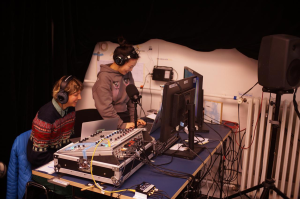
©abfm
AB/FM
AB/FM is the temporary radio station performed by students of the Ari Benjamin Meyers class (Kunstakademie Düsseldorf). The radio studio and the process of broadcasting are understood by AB/FM as a social platform and collaborative production site that can reach the audience directly through live broadcasting.
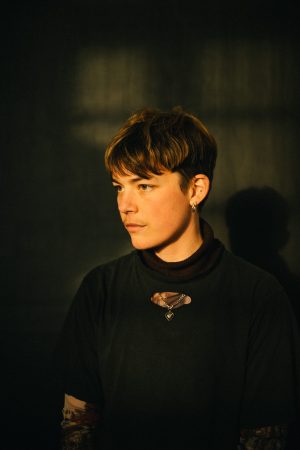
Nino Bulling
Nino Bulling is an artist and author who works in the fields of installation, drawing and publishing. He has written four graphic novels. His most recent publication to date is the anthology Cutes: Collected queer and trans comics, which he co-edited with Nour Hifaoui and Joseph Kai from the collective Samandal.
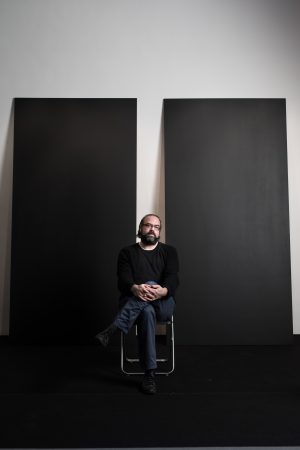
Ari Benjamin Meyers
The artist Ari Benjamin Meyers, who originally trained as an opera conductor and composer, explores the forms of performance, production and perception of music in his work.

Georg Kussmann
Georg Kussmann was born in 1989. As part of his artistic work, he realizes his own projects and collaborations in the fields of photo books, artistic documentaries and experimental feature films.
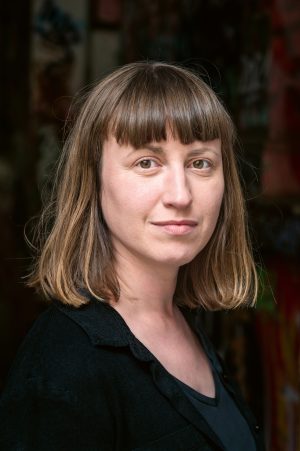
Paula Fürstenberg
Paula Fürstenberg, Jahrgang 1987, wuchs in Potsdam auf und studierte am Schweizerischen Literaturinstitut sowie an der Humboldt-Universität.
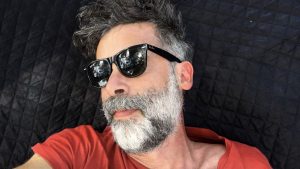
© Fatih Kurçeren
Fatih Kurçeren
Fatih Kurçeren works as a freelance photographer in Essen.
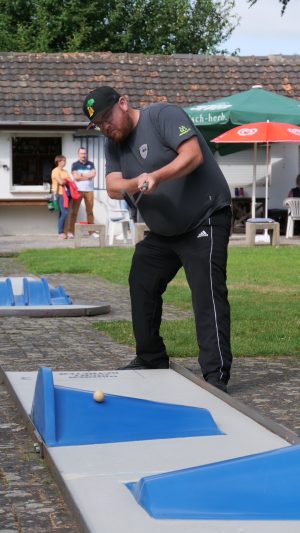
© privat
Sebastian Heine
Sebastian Heine, born in Wesel in 1987, has been playing minigolf professionally since 2003 and is a multiple European champion.
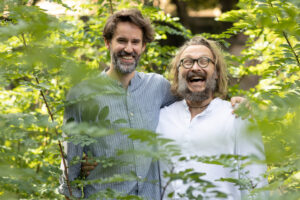
© Alberto Novelli
Sowatorini Landschaft
Sebastian Sowa and Gianluca Torini work as Sowatorini Landschaft between garden, landscape and art.
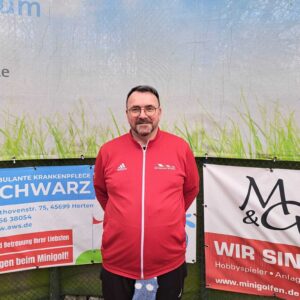
© Stefan Seifert
Stefan Seifert
Stefan Seifert has been playing club mini golf since 2013 and currently works for BGV Backumer Tal Herten e. V.
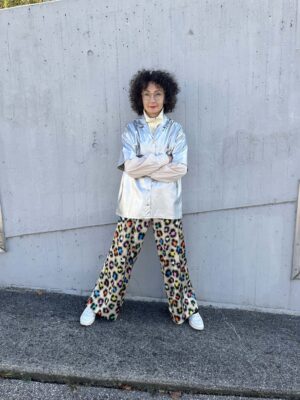
©Anton Kaun
Tunay Önder
Tunay Önder works at the interface of text, performance, installation and discourse. She is particularly interested in emancipatory struggles in the context of the migration society.

©Daniel Sadrowski
Die RuhrgebietsSpatzen
The RuhrgebietsSpatzen, Pani Kostka & Mercedes Tuccini, combine entertainment and art by examining social issues and historical perspectives of the Ruhr region.
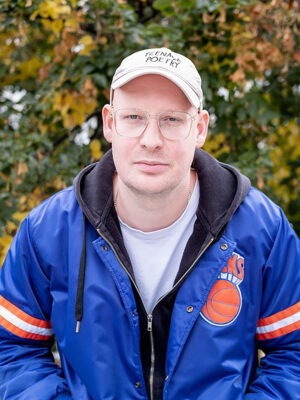
© Simon Grunert
Tim Holland
Tim Holland, author and co-publisher, deals with visions of the future and speculative writing in his poetry collection “wir zaudern, wir brennen”.
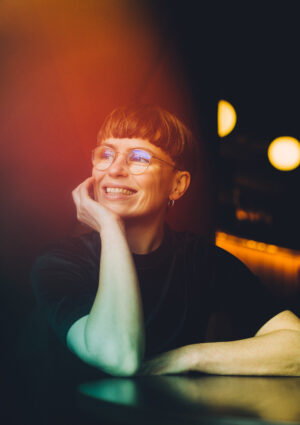
©Jewgeni Roppel
Caren Jeß
Caren Jeß, born in Eckernförde in 1985, studied German philology and modern German literature in Freiburg i.Br. and Berlin.
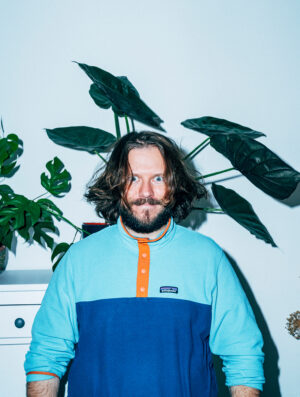
©Nikita Teryoshin
Nikita Teryoshin
Nikita Teryoshin, photographs defense exhibitions worldwide. His award-winning book “Nothing Personal” was published in 2024.

©Albrecht Fuchs
Mona Schulzek
Mona Schulzek is a visual artist from Berlin and studied at the Kunstakademie Düsseldorf. She trained as a radio operator for her artistic research.

©Daniel Sadrowski
Marlin de Haan
In her artistic practice, Marlin de Haan deals with the tensions between bodies and objects in space as well as the possibilities and limits of action areas, performance and narrative formats.

©Daniel Sadrowski
Jonas Leifert & Franziska Pierwoss
Jonas Leifert's work addresses social issues from the perspective of the Ruhr area, Franziska Pierwoss develops site-specific installations that question personal and political relationships.

©Daniel Sadrowski
Paula Pedraza
In her artistic practice, Paula Pedraza is concerned with decolonial and feminist theories, surveillance architecture and is interested in experimental design and hybrid spatial constructions.
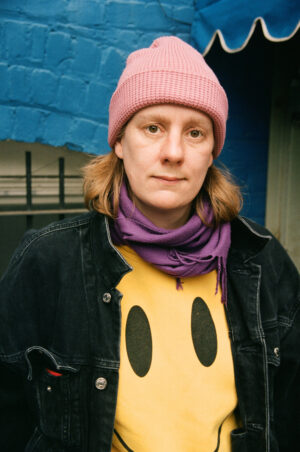
© Matthew James Wilson
Anna Haifisch
Anna Haifisch writes and draws comics, works as an illustrator for national and international media and designs print series, posters and design products.

©Daniel Sadrowski
Anna R. Winder
Anna R. Winder (*1995 in Aarhus) is part of the b_books collective, which runs a bookshop and a publishing house and is a co-editor of wormhole newspaper.
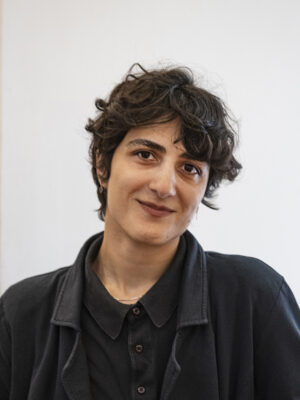
© Roberto Ruiz
Tekla Aslanishvili
In her practice, Tekla Aslanishvili observes the shifting relations between governments, people, and their territories through the lens of large-scale infrastructure projects.
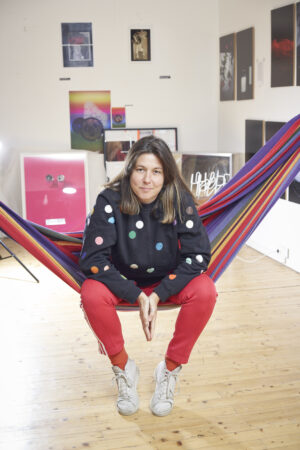
© Mladen Penev
Borjana Ventzislavova
Borjana Ventzislavova (born in Sofia, Bulgaria) lives in Vienna and works with video, film, photography, installation and often works in public space.
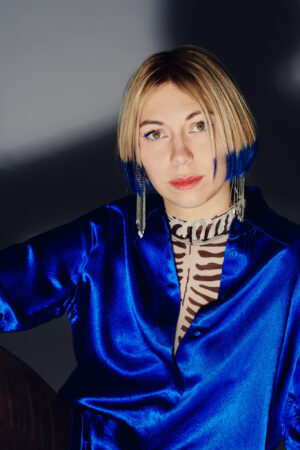
© Visvaldas Morkevicius
Emilija Škarnulytė
Working between documentary and speculative fiction, Emilija Škarnulytė's video works take viewers through nuclear power plants, deep-sea data storage units and uncanny natural phenomena.
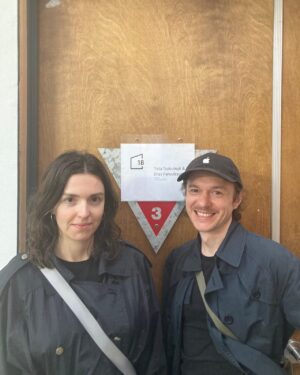
©ruїns collective
ruїns collective
The ruїns collective was founded by Oleg Isakov, Elias Parvulesco and Teta Tsybulnyk in 2017 in Kyiv and is a film and art union.
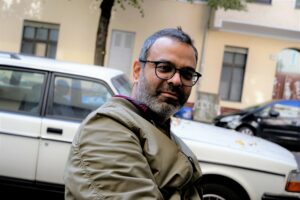
© Daniel Sadrowski
Asad Raza
In his work artist Asad Raza often explores dialogic exchange and rejects disciplinary boundaries. Raza conceives of art as a metabolic, active experience combining human, non-human beings.
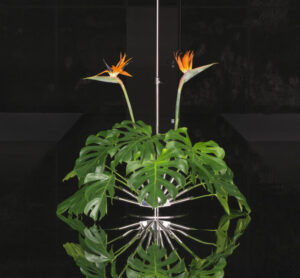
©Irena Haiduk
Irena Haiduk
In June 2022, Irena Haiduk opens the exhibition Healing Complex (2018—ongoing) in the former church of St. Bonifatius, which is becoming a new meeting and community place in Gelsenkirchen.
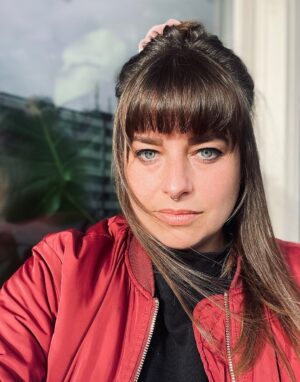
© Anne Arndt
Anne Arndt
In her cross-media works, Anne Arndt critically and humorously scrutinises our public living space as a mirror of social cultures of power and remembrance.
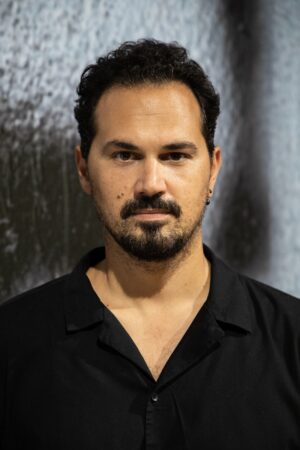
© Fabrizio Spucches
Driant Zeneli
In his films and sculptural video installations, Driant Zeneli (*1983 in Shkoder, Albania) interweaves representations of power, science, mythology and fairy tales with individual narratives.
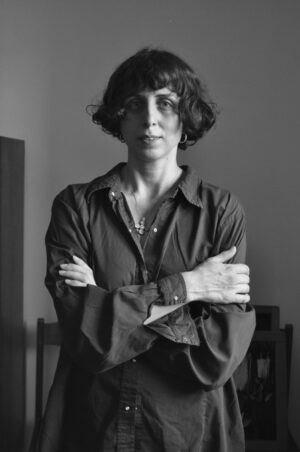
©Tekla Basishvili
Nino Kvrivishvili
In her artistic work, Nino Kvrivishvili reflects on the history of textile production in Georgia, which was a central branch of industry in Soviet times.

©National Gallery Krepmlová
Eva Kot'átková
In her work, Eva Kot'átková explores forms of power, manipulation, discrimination and control exercised by institutions upon those who deviate from the norm (or what is perceived as such).

© Sara Alvarado
Camilo Pachón
With The Ancient Masked Temple, Camilo Pachón aims to create a collective space in the Healing Complex with a programme of workshops, readings, performances and the traditions of carnival.
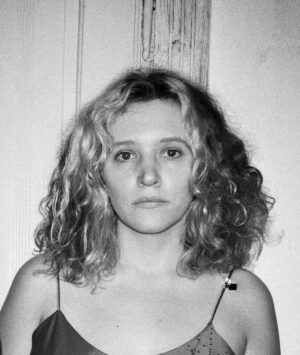
© Kateryna Turenko
Dana Kavelina
In her practice Dana Kavelina often touches upon military violence and war, historical and individual trauma, memory, and critical perspectives on the historical canon.
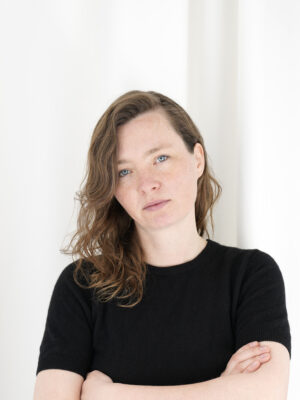
© Andrzej Steinbach
Katja Aufleger
Katja Auleger's artistic works critically observe (social) contexts and systems with aesthetic precision and are infused with subtle humor.

©KLEMMS Berlin
Sven Johne
Sven Johne is an artist and filmmaker based in Berlin. In his text, photo and video works, Sven Johne combines historical research and fictional narratives and deals with post-socialist biographies.
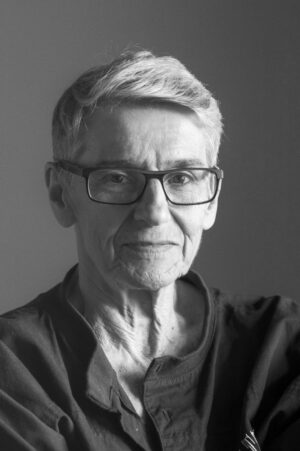
© Mira Turba
Anna Daučíková
Anna Daučíková lives and works in Prague. In her practice she is working with painting, photography, video, and performance exploring authorship, gender and sexuality.
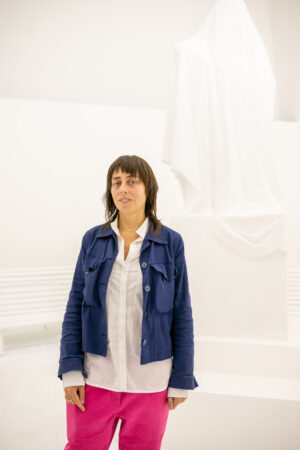
© Sergey Illin
Zhanna Kadyrova
Zhanna Kadyrova (*1981 in Brovary, Ukraine) has been working in the field of sculpture for 20 years and is currently one of the best-known artistic positions from Ukraine.

©Taras Grytsiuk
Nikita Kadan
Nikita Kadan (*1982 in Kyjiv, Ukraine) works with painting, graphics, and installation, often in collaboration with architects, sociologists and human rights activists.
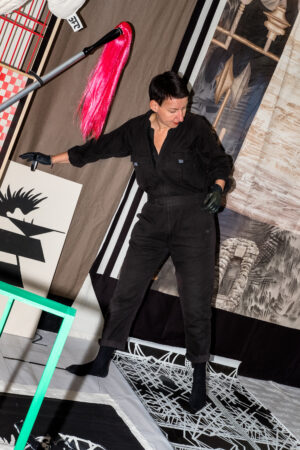
©Jannis Uffrecht
Jana Gunstheimer
Jana Gunstheimer (*1974 in Zwickau) often combines drawings, paintings and objects in her artistic practise to create complex overall installations.
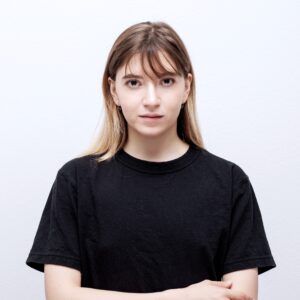
© Uli Golub
Uli Golub
Uli Golub's (*1990 in Kharkiv, Ukraine) artistic practice includes video, installation, performance, photography and mixed-media collages. Storytelling forms the basis of her work.
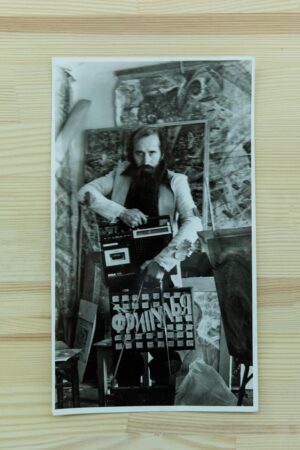
©Familie Tetianych
Fedir Tetianych
Soviet-Ukrainian artist Fedir Tetianych was a visionary who was influenced by the ideas of space exploration and the flight of the cosmonaut Yuri Gagarin to space in 1961.
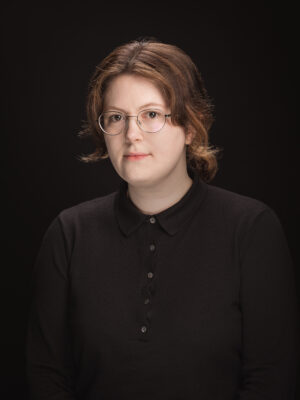
©Angharad Williams Baege
The Wig
For Ruhr Ding: Schlaf, the Welsh artist Angharad Williams as part of the collective The Wig adevelops a work for the Makroscope rooms.

©Jan Kapitaen
Felix Bork
Felix Bork deals with the important things in life: cute animals, beautiful flowers, colourful stones, poop and love.

©Frederike Wetzels
Marta Dyachenko
Marta Dyachenko creates installations with model-like sculptures that critically question the relationship between nature, man and landscape.
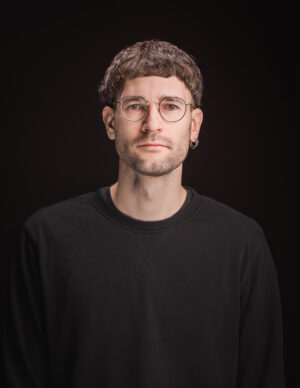
©Roland Baege
Etienne Dietzel
Etienne Dietzels works, which are frequently developed in cooperation with artists and specialists from various fields, are technical in nature, their appearance relating to their own genesis.

©Daniel Sadrowski
Julius von Bismarck
In his works, Julius von Bismarck examines perception, natural phenomena and urban space at the interface between art and science.

Nicole Wermers
Nicole Wermers uses sculptures and collages to depict urban space, social structures and the recomposition of everyday objects.

©Frey
David Jablonowski
In his sculptures, David Jablonowski shows the changes in communication and media content, influenced by industrial materials and technologies.

©Daniel Sadrowski
Sofía Táboas
In her sculptures and installations, Sofía Táboas (*1968) explores how man-made and natural space is perceived and reshaped.

©Daniel Sadrowski
Markus Jeschaunig
Markus Jeschaunig works as an artist and architect, his projects combine art, natural sciences, ecology and activism.

©Daniel Sadrowski
Michele Mondin
Michele Mondin works in a family business that has been equipping ice cream parlors and pizzerias in the Ruhr region for 50 years.

©Dietmar Osses
Dietmar Osses
Dietmar Osses, Deputy Director of the Ruhr Museum, focuses on the industrial culture and migration history of the Ruhr region in his exhibitions.
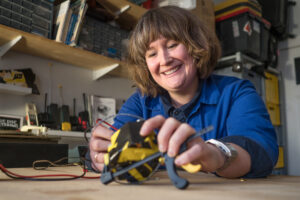
©Lena Maria Loose
Darsha Hewitt
In her sound installations, Darsha Hewitt depicts the effects of sound technologies and raw materials policy on people and the environment.
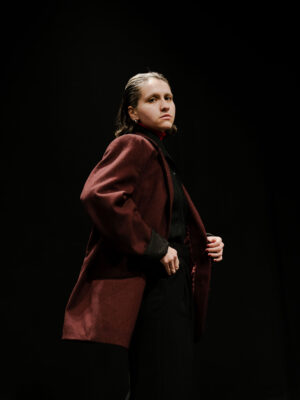
©priscilliagrubo
Erdem Teper
Erdem Teper writes about everything that makes Erdem feel. Themes in his poetry are often taken from philosophical and religious contexts.
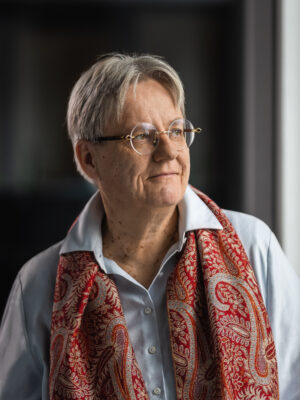
©Roland Baege
Barbara Welzel
Barbara Welzel, Professor of Art History and Cultural Education at the Technical University of Dortmund, researches and teaches culture and cultural transfer in the Hanseatic region.
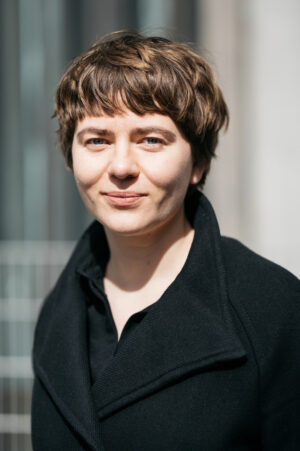
©Daniel Sadrowski
Johanna Gonschorek
Johanna Gonschorek's work explores the relationships between memory, epistemes, politics and power relations.
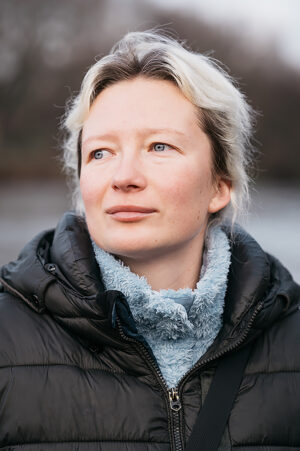
©Daniel Sadrowsi
Natalka Diachenko
As a documentary photographer and videographer, Natalka Diachenko approaches questions of cultural heritage and the relation between the personal and intimate and global historical narratives.
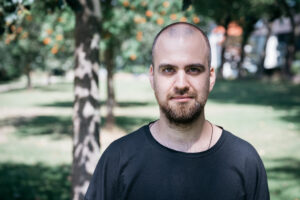
©Daniel Sadrowski
Yuri Yefanov
Yuri Yefanov (*1990) is an artist and filmmaker from Ukraine. His works use computer-generated imagery and game simulations to create digital dimensions of otherworldliness.
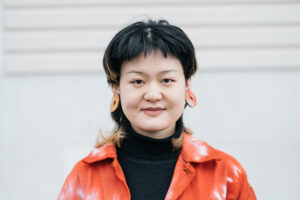
©Daniel Sadrowski
Haha Wang
Haha Wang works mainly in sculpture and installation but also in video. In her works, the intimate feelings of both humans and animals are conveyed and transformed by unexpected objects or events.
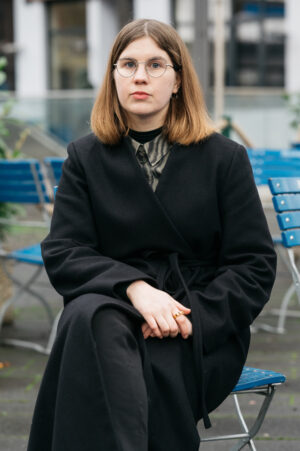
©Daniel Sadrowski
Alina Schmuch
Based on photography and its extension in the medium of film, Alina Schmuch uses artist's books, video and installation to investigate the interaction between the visual medium and reality.
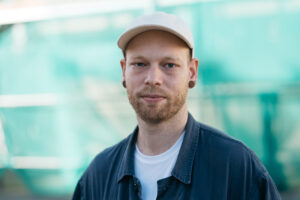
Henrik Nieratschker
Henrik Nieratschker's artistic work deals with the social implications of our lives within a digital infrastructure.
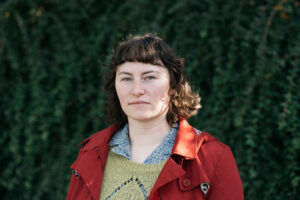
©Daniel Sadrowski
Nollaig Molloy
Nollaig Molloy works with moving image, sculptural installation and sound while sometimes using workshop and event-based outcomes, to explore landscape through material means.
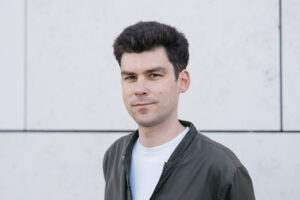
©Daniel Sadrowski
Philipp Modersohn
Philipp Modersohn's sculptures, animated films, and interdisciplinary projects highlight the vibrancy of things / matter and confront these with man-made structures and systems of social organization.
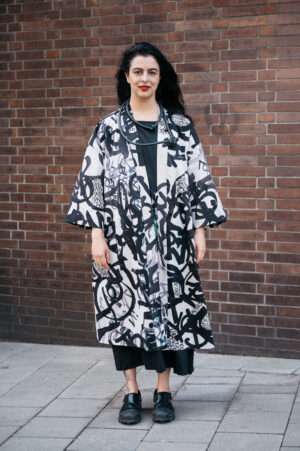
©Daniel Sadrowski
Lubov Malikova
Lubov Malikova is a Ukrainian artist and – together with Max Poberezhsky – runs the collaborative art group and experimental design studio DIS/ORDER.
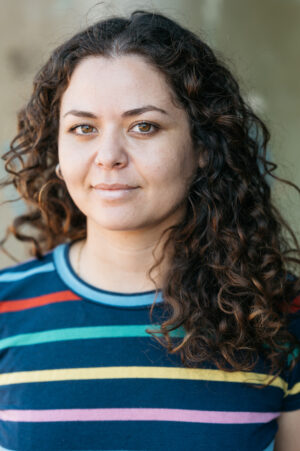
Iris Ward Loughran
Iris Ward Loughran is sculptor, photographer, and urbanist living and working in Brooklyn, NY.

©Daniel Sadrowski
Magdalena Los
In Magdalena Los’ digitally collaged visual worlds, everyday views collide with private screenshots or references to popular film scenes, works of art and current news from various departments.
©Daniel Sadrowski
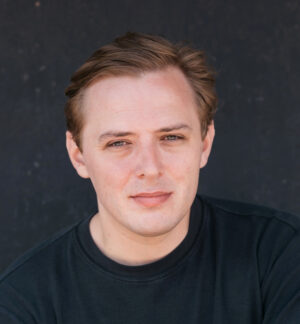
Marc Kokopeli
Marc Kokopeli's work is overly concerned with how identity is formed during childhood.
©Daniel Sadrowski
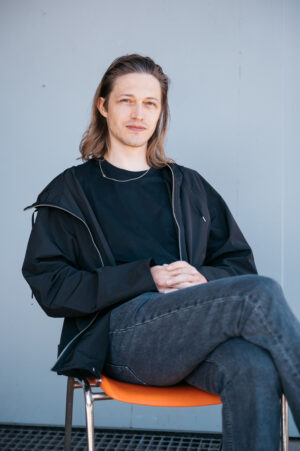
Jan Kiesswetter
In his work, Jan Kiesswetter produces publications and, increasingly, film documentaries. Recurring themes in his work are the representation of architectures and archives and the reading of images.
©Daniel Sadrowski
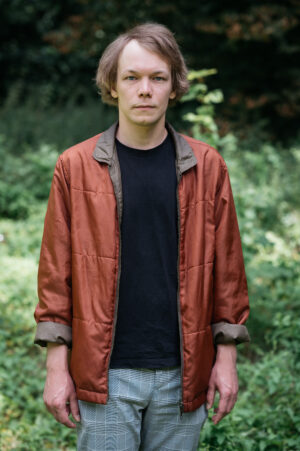
Fabian Hampel
Fabian Hampel deals with contemporary technologies and is interested in linear, reflexive forms as well as abstract borderlands.
©Daniel Sadrowski
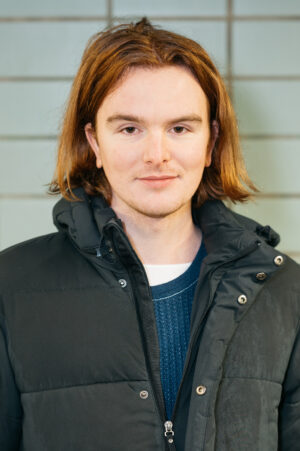
Jan Berger
Jan Berger's practice is primarily occupied with the ludic formation of cultural mythologies and the production of subjectivity in online spaces.
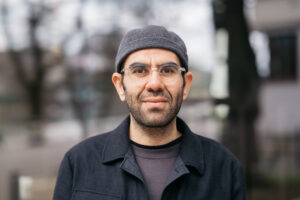
©Daniel Sadrowski
Deniz Aktaş
In his work Deniz Aktaş captures human and environment relations affected by urban decay, environmental collapse, human migration, and the traumatic transformation of city and nature.
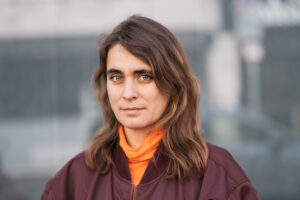
©Daniel Sadrowski
Nadja Abt
In her performances, videos and paintings, Nadja Abt constructs feminist narratives that reference the world of literature and film.
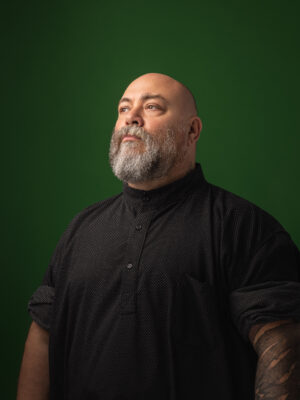
©Roland Baege
Viron Erol Vert
In his artistic practice, Viron Erol Vert probes – against the background of his own intercultural experiences – identity constructs and different aspects related to the self and the other.

©Roland Baege
Thomas Taube
By means of multi-channel installations, associative, reflective and surreal sequences, Taube works against conventional cinematographic codes.
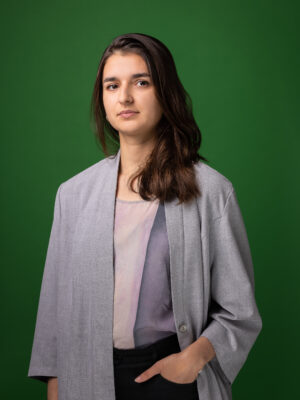
©Roland Baege
Nadine Rangosch
Natural sciences, visual culture and mythological stories inspire Nadine Rangosch to build her own vocabulary, translating abstract concepts into spatial arrangements.
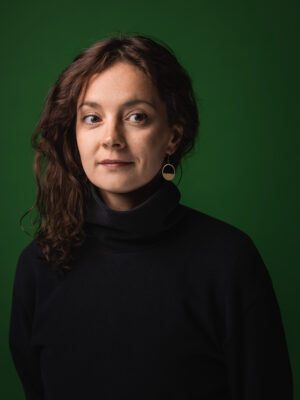
©Roland Baege
Kristina Paustian
Kristina Paustian examines cultural anthropological and socio-political topics. In cinematic images she focusses in particular on the themes of times of upheaval and technical utopias.
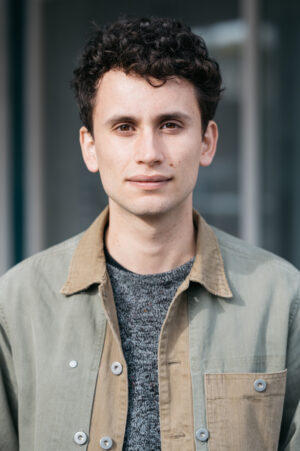
©Daniel Sadrowski
David Reiber Otálora
In his cinematic / sculptural works David Reiber Otálora deals with exoticisms and colonial representations of the so-called other and explores possibilities to affirm them into ambiguous narratives.

©Roland Baege
Vanessa Nica Mueller
Vanessa Nica Mueller's films and artwork focus on aspects of memory, the relation of human, nature and urban space, the uncanny and the construction of conditions.
Nicoleta Moise
Nicoleta Moise is a visual artist, writer and researcher with different mediums combining photography, video and performance and focusses on making visible less known stories, characters or events.

©Daniel Sadrowski
Julia Lübbecke
In her works, Julia Lübbecke deals with the relation between body and institution. She explores this connection to examine dominant structures of order and creates processes to make them fragile.
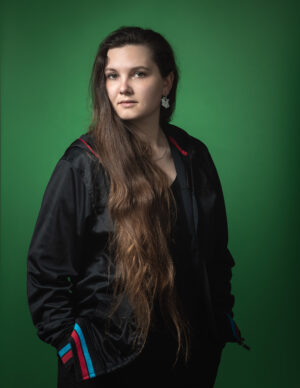
©Roland Baege
Laura Leppert
Laura Leppert works with film, installation and text. Her installations and cinematic spaces are constructed in fragments and are constantly in motion.
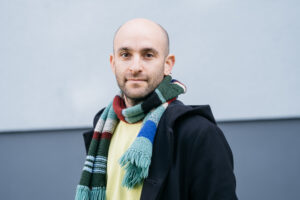
©Daniel Sadrowski
Guy Königstein
In his recent projects Guy Königstein researches the different ways we live the past in the present, for instance through practices of commemoration, archiving or archaeology.
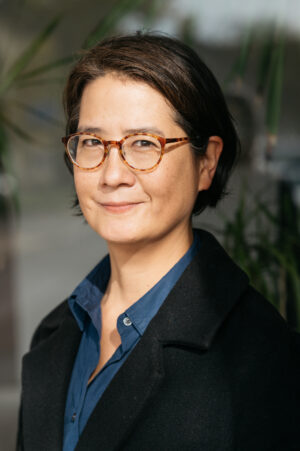
©Daniel Sadrowski
Yuki Jungesblut
Yuki Jungesblut seeks out potentialities and instances of overlap between imagination, fiction and reality, often exploring underdetermined states and liminality in general.
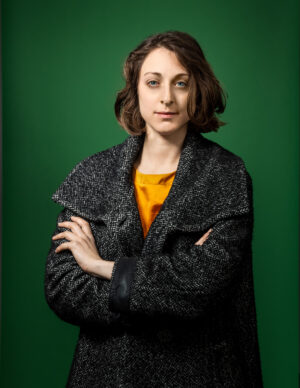
©Roland Baege
Jessica Arseneau
Jessica Arseneau explores the way human perception and subjectivity is shaped by social codes, patterns of behaviour, accelerating culture and technological progress.
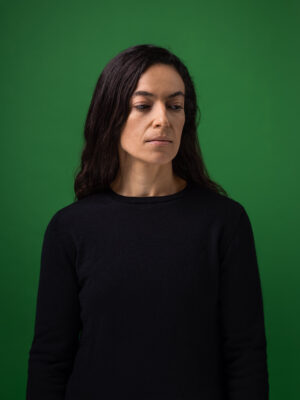
©Roland Baege
Adriana Arroyo
Adriana Arroyo's works reference to geological activity, to reveal possible relationships between the movement of the Earth, politics and the fragility of the body and the mind.
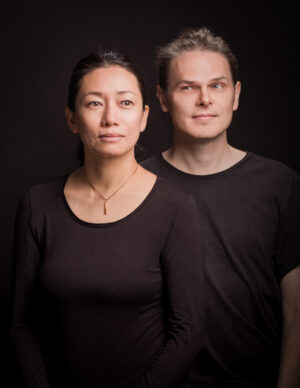
©Roland Baege
Kyoco Taniyama & Nico Alexander Taniyama
Kyoco+Nico are an artist duo from Tokyo and Berlin. The behaviour as well as the verbal syntax of the two cities tend to be exact opposites.
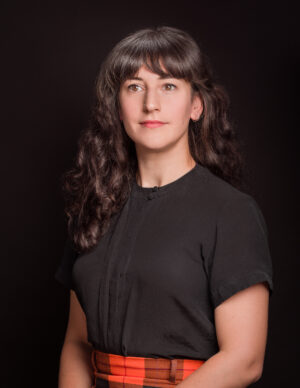
©Roland Baege
Nastassja Simensky
Nastassja Simensky uses moving image, writing, music and performance to develop a material understanding of politics and history.
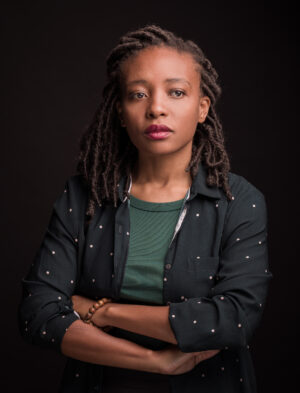
©Roland Baege
Euridice Kala
Euridice Getulio Kala is an artist based in Paris. She was trained as a photographer at the Market Photo Workshop, Johannesburg.
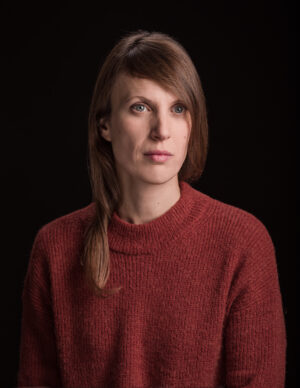
©Roland Baege
Marianna Christofides
In her practice Marianna Christofides deals with entangled narratives that constitute the different layers of multi-authored places.
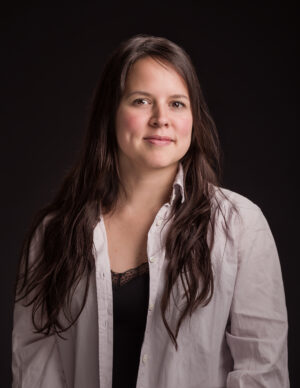
©Roland Baege
Ana Alenso
Ana Alenso art focuses on the global dependence on resources and the concomitant political, social, and economic exploitation.
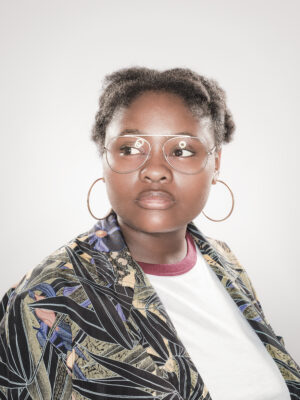
©Roland Baege
Matshelane Xhakaza
Matshelane Xhakaza is a South African artist. The point of departure for Xhakaza’s work is her immediate environment and the artist’s personal, everyday experiences.
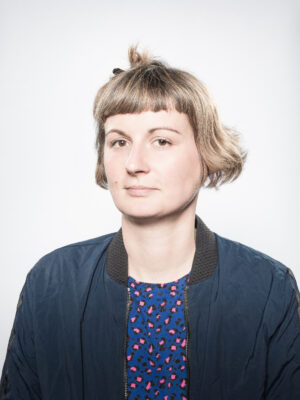
©Roland Baege
Katrin Winkler
Katrin Winkler is an artist and filmmaker based in Berlin. She work in the fields of expanded cinema, critical research, photography and video.
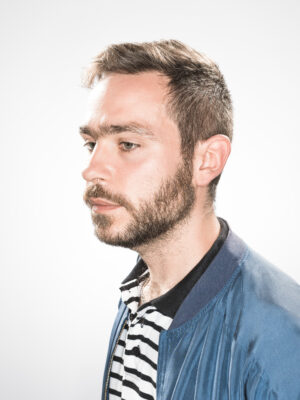
©Roland Baege
Paul Wiersbinski
Wiersbinskis projects operate at the interface between art, science and technology, touching on architectural discourse, entomology (the study of insects) and cybernetics.
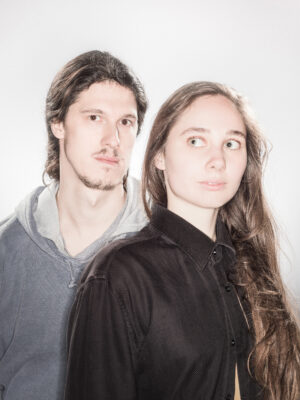
©Roland Baege
Viola Relle & Raphael Weilguni
Viola Relle and Raphael Weilguni have been working together since 2012. They model simultaneously on large ceramics that become relics of a communication and negotiation process.
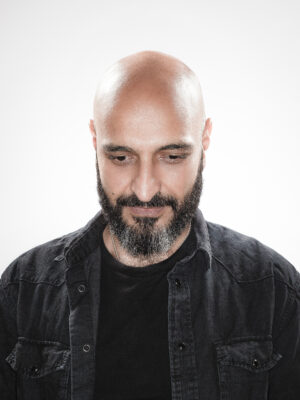
©Roland Baege
Wasim Ghrioui
During 2018/2019 Wasim Ghrioui is participating in our residency programme “Zu Gast bei Urbane Künste Ruhr”.
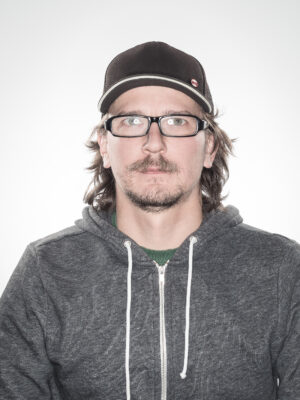
©Roland Baege
Jan Brokof
Jan Brokof was born in former Eastern Germany. In his early work the social environment of his youth with its Plattenbau apartment buildings and the chimneys play a prominent role.
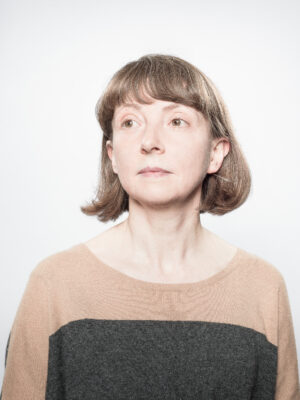
©Roland Baege
Céline Berger
Often involving external participants, managers, coaches, employees, Céline Berger creates objects, videos and installations exploring our professional lives.
©Roland Baege
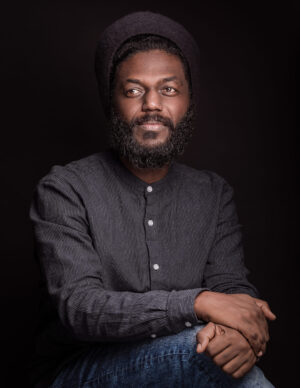
Mohamed Altoum
Mohamed Altoum is a Sudanese visual artist, photographer and cameraman. n his works he combines selected visual impressions with storytelling.
©Roland Baege
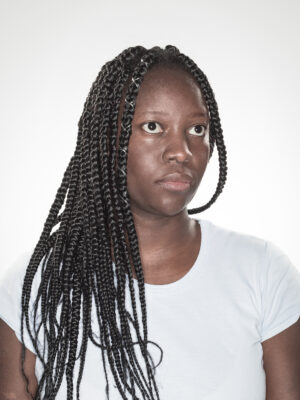
Stacey Gillian Abe
Stacey Gillian Abe’s concepts highlight specific complex situations as autobiographical documentation drawn from earlier and continuous experiences.
©Roland Baege
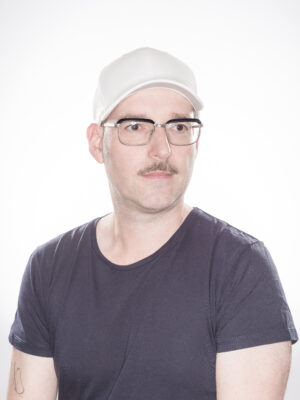
Achim Lengerer
Achim Lengerer explores medial language in his practice. He examines images, texts and original soundtracks as vehicles for political power and emancipatory potential.
©Andreas Schulze
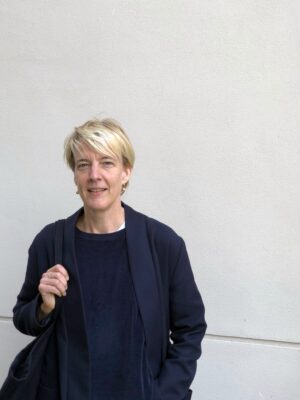
Stephanie Kiwitt
Stephanie Kiwitt captures the transformation of rural areas in her photographic work - most recently in Saxony-Anhalt with “Flächenland”.
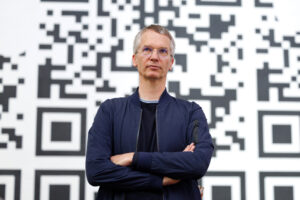
©Friso Gentsch
Aram Bartholl
In his sculptural works and workshops, Aram Bartholl explores digital media, surveillance and platform capitalism in public space.

©Daniel Sadrowski
Arhun Aksakal
Arhun Aksakal is interested in human perception, urban psychology and geographical infrastructures and investigates phenomena of civilizational activity and geological time.

©Daniel Sadrowski
Ramona Schacht & Luca Bublik
Ramona Schacht studied photography in Heidi Specker's class at the HGB Leipzig until 2020, Luca Bublik completed his doctorate at the Bauhaus University in Weimar. Both live in Leipzig.

©Silke Briel
Britta Peters
Britta Peters works as a curator specialising in art in public spaces. She has been the Artistic Director of Urbane Künste Ruhr since January 2018.
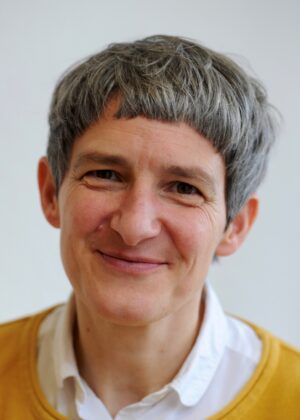
©Katharina Eglau
Lydia Röder
Lydia Röder has managed a hospice service for over 20 years. She has been working with people at the end of life since the beginning of her professional career.
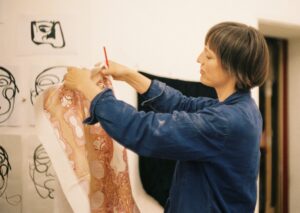
Kasia Fudakowski
Kasia Fudakowski works with sculpture, film and performance to uncover social enigmas through surreal logic and theory.
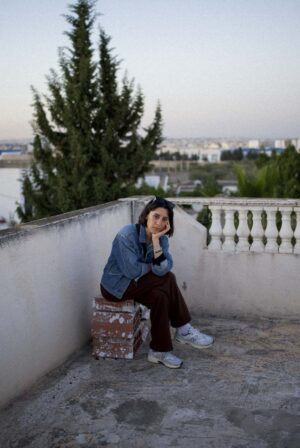
©Amina Falah
Amina Falah
Amina Falah is a designer and photographer. Her work sheds light on everyday life and the stories of the people around her, with a focus on social issues.

©Tobi Dahmen
Tobi Dahmen
Tobi Dahmen is a German comic artist and illustrator. Growing up in Wesel, he discovered his passion for drawing and storytelling at an early age.
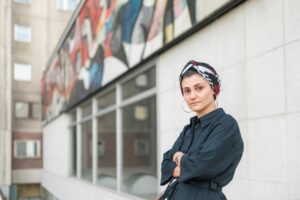
©Paul Lovis Wagner
Luna Ali
Luna Ali, born in Syria in 1993, has worked as an author on productions at the Düsseldorf, Dortmund and Hanover theaters as well as in Berlin.

Jul Gordon
Jul Gordon lives in Hamburg and works as a comic artist. In addition to drawing, she curates exhibitions and works as a lecturer at the HAW Hamburg.
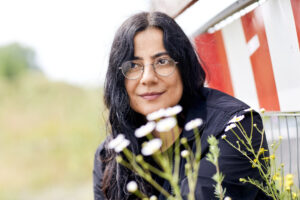
©Ben Knabe
Lütfiye Güzel
Lütfiye Güzel is a poet and has been publishing poems under her own label go-güzel-publishing since 2014.
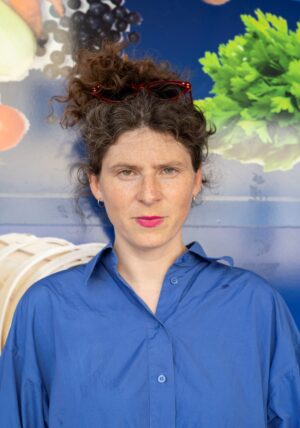
Lisa Klosterkötter
Lisa Klosterkötter is an artist and curator, supporter and co-designer of socio-cultural spaces.
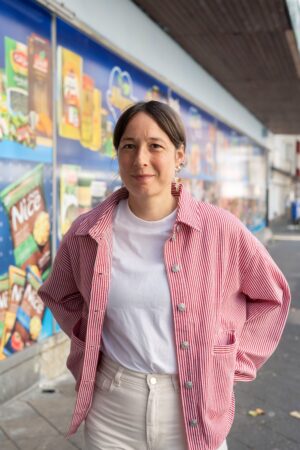
Paula Erstmann
The artist Paula Erstmann works primarily with food as an artistic medium.